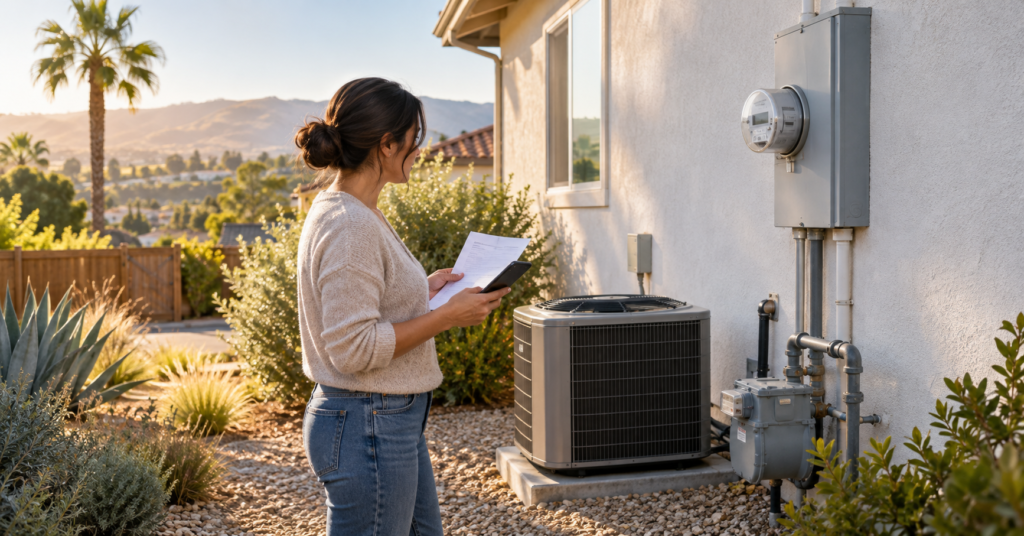
Living Without Air Conditioning may sound manageable in coastal California, where ocean breezes and moderate temperatures are part of the appeal. Many older apartments, cottages and houses near the coast were built without central cooling because historically mild summers made air conditioning seem unnecessary.
That assumption does not work equally well for every home. Coastal communities can still experience heat waves, humid nights, wildfire smoke and periods with little wind. The comfort of a home depends on its exact location, window direction, insulation and surrounding buildings—not simply its distance from the ocean.
Understanding these differences can help renters and homeowners decide whether a property without air conditioning is comfortable enough for their needs.
Coastal California Does Not Have One Climate
The California coastline covers hundreds of miles and includes many different microclimates. A home in San Francisco may experience cool foggy mornings, while an apartment in Long Beach can remain warm well into the evening. Conditions in Santa Barbara, Santa Cruz, San Diego and coastal Orange County also differ.
Even within the same city, neighborhoods closer to the water may be noticeably cooler than inland areas. Hills, canyons and dense development can affect how air moves through a neighborhood.
A listing described as coastal may still be several miles from the ocean. The property could receive less of the cooling marine influence than a newcomer expects.
Local weather records are more useful than a general description of California’s climate. Prospective residents should examine summer temperatures for the specific ZIP code and pay attention to overnight lows as well as daytime highs.
The Building Can Matter More Than the Outdoor Temperature
Two apartments in the same neighborhood can feel completely different during summer. Building design determines how quickly indoor heat accumulates and how easily it escapes.
A top-floor unit directly below the roof may become much warmer than a ground-floor apartment. Large west-facing windows can absorb afternoon sunlight, while limited cross-ventilation can trap warm air after sunset.
Insulation, window quality and exterior shading also make a difference. Mature trees, balconies and nearby buildings can reduce direct sunlight. However, dense surroundings may also restrict airflow.
Older coastal homes sometimes have thin walls or single-pane windows. Although these homes may cool quickly when the outdoor temperature drops, they can also heat up quickly during direct sun exposure.
When touring a property, consider where the sun will be during the afternoon. A comfortable apartment during a cool morning showing may feel very different at 4 p.m. on a warm day.
Marine Air Does Not Always Cool the Interior
Ocean breezes can provide natural cooling, but the home must be able to take advantage of them. An apartment with windows on only one side may not receive enough airflow to remove accumulated heat.
Window placement is particularly important. Air moves more effectively when it can enter from one area and leave through another. A home with windows on opposite sides generally has better cross-ventilation than a unit facing a narrow enclosed courtyard.
Residents should also consider noise and security. Leaving windows open may not be practical near a busy road, nightlife area, ground-floor walkway or construction site. A window that technically opens is not always one that a resident will feel comfortable using overnight.
Coastal humidity can further reduce comfort. The temperature may not appear especially high, but moisture in the air can make rooms feel stuffy and slow the evaporation of sweat.
Heat Waves Are the Real Test
A home without air conditioning may be comfortable through most of the year but difficult to manage during several unusually hot days. Heat can build inside walls, ceilings and furniture, causing the interior to remain warm after the outdoor temperature begins to fall.
Successive hot days are often more challenging than one hot afternoon. If nights remain warm, the home has less opportunity to release stored heat.
Residents should not judge a property only by average summer temperatures. It is also important to consider how the home will function during a short but intense heat wave.
Older adults, infants, people who are pregnant and individuals with certain medical conditions may be more vulnerable to heat. Anyone who relies on temperature-sensitive medication or medical equipment should make a more cautious cooling plan.
California maintains public information about extreme weather and emergency preparation through Listos California. Local governments may also publish cooling-center locations during periods of dangerous heat.
Using Windows at the Right Time
Opening every window throughout the day does not always cool a home. When the outdoor air is hotter than the indoor air, open windows may allow additional heat to enter.
A more effective approach is to bring in cooler air during the morning, evening and overnight when conditions permit. Windows can then be closed as outdoor temperatures rise.
Curtains, shades or blinds can reduce direct solar heat. Exterior shading is generally more effective because it stops sunlight before it reaches the glass, but renters may have limited options for making exterior changes.
Window coverings should be selected with ventilation in mind. A heavy curtain that blocks sunlight may also block the evening breeze. Residents may need to adjust the coverings as the sun and outdoor temperature change.
Fans Improve Comfort but Do Not Lower Room Temperature
Ceiling fans, floor fans and compact circulation fans can make a person feel cooler by moving air across the skin. They do not reduce the actual temperature of a closed room.
Fan placement matters. During cooler hours, a fan near a window can help bring fresh air inside or push warm air outside. Once the outdoor temperature becomes hotter than the interior, it may be better to close the window and use the fan for personal comfort.
Fans become less protective when indoor temperatures are extremely high. During dangerous heat, residents should not rely on airflow alone if the home is no longer safe.
A thermometer placed inside the main living area or bedroom can provide more useful information than guessing based on comfort. It can also show whether the home is cooling adequately at night.
Portable and Window Air Conditioners
Residents who do not have central air may consider a portable or window air conditioner. Each option has practical limitations that should be checked before purchase.
A window unit may provide efficient room cooling, but some leases, homeowners associations and building rules restrict installations. The window must also support the equipment safely without creating a falling hazard or interfering with an emergency exit.
Portable units sit inside the room and release hot air through an exhaust hose. They still require a suitable window opening and enough space around the equipment. Poorly sealed exhaust connections can allow warm outdoor air back into the room.
Both types increase electricity use. Residents should review the electrical capacity of the room, especially in an older property. A high-powered cooling unit should not share an overloaded circuit with multiple appliances or rely on an unsuitable extension cord.
Before buying equipment, renters should obtain written permission when installation may alter a window, screen or exterior appearance.
Evaporative Coolers Near the Coast
Evaporative coolers work by adding moisture to dry air. They are often more effective in hot, dry inland climates than in humid coastal conditions.
When the air already contains substantial moisture, the cooling effect may be limited. Adding more humidity can also make an enclosed room feel less comfortable.
A product advertised as an air cooler should not automatically be treated as a replacement for an air conditioner. Residents should check whether it uses a compressor and exhaust system or simply moves air across water.
A basic fan may provide similar comfort to a small evaporative device in a humid coastal home without adding more moisture to the room.
Wildfire Smoke Changes the Ventilation Plan
Natural ventilation depends on outdoor air being suitable to bring inside. During a wildfire smoke event, opening windows may allow fine particles and odors into the home.
This creates a difficult situation for residents without air conditioning. Closing windows may protect indoor air quality but can also cause the interior to become warmer.
A portable air cleaner with an appropriate filter can help reduce indoor particles, but it does not cool the room. Residents should also check local air-quality conditions rather than relying only on whether smoke is visible.
The government-supported AirNow fire and smoke map provides current smoke and air-quality information. When heat and smoke occur together, relocating temporarily to an air-conditioned building with filtered air may be safer than remaining in a hot, sealed home.
Coastal Humidity and Indoor Moisture
Living without air conditioning can affect more than temperature. Air conditioners remove some moisture as they cool, so a home without one may retain more humidity.
Moisture can become noticeable in bedrooms, closets, bathrooms and areas behind furniture. Coastal apartments with limited airflow may develop condensation or musty odors even when the weather does not feel particularly hot.
Residents should use bathroom and kitchen exhaust fans when available. Furniture should not be pressed tightly against a damp exterior wall because some airflow is needed behind it.
A dehumidifier may help with persistent moisture, but it produces heat while operating and consumes electricity. It is more suitable for controlling humidity than cooling an occupied room.
Renters who notice recurring moisture, stains or visible mold should document the condition and notify the property manager. Our guide to San Diego apartment humidity and mold risks explains what renters can examine before and after moving into a coastal property.
Working From Home Without Air Conditioning
Remote workers experience indoor conditions differently from residents who leave during the hottest part of the day. Computers, monitors and other electronics release heat into the room, and long periods at a desk can make poor ventilation more noticeable.
A home office on an upper floor or beside a west-facing window may become uncomfortable during afternoon work hours. Moving the desk away from direct sunlight can reduce personal heat exposure even if the room temperature remains unchanged.
Residents should consider the thermal comfort of the specific work area when viewing a property. A pleasant living room does not guarantee that a small bedroom converted into an office will remain usable throughout the summer.
Working from a library, coworking space or another cooled location may provide a temporary alternative during a heat wave. This option requires planning because other residents may have the same idea.
Sleeping Comfort Can Be the Deciding Factor
A warm afternoon may be manageable, but a bedroom that does not cool overnight can interfere with sleep. This is often the point at which residents discover that natural ventilation is insufficient.
Bedrooms with limited window openings, poor cross-breezes or heat-producing electronics may remain warmer than the rest of the home. Upper-level rooms can also retain heat from the roof.
Before renting, ask whether the bedroom windows open fully and whether exterior noise makes nighttime ventilation realistic. Visiting the neighborhood in the evening can reveal traffic, aircraft, nightlife or other sounds that may prevent residents from keeping windows open.
A quiet bedroom with dependable airflow may be more valuable than an attractive room that traps heat.
Understanding the Effect on Utility Costs
A home without central air may have lower summer electricity costs during mild weather. However, adding multiple portable units and fans can change that calculation.
Portable air conditioners can operate for long periods because they cool only part of the home and may lose efficiency through the exhaust arrangement. The cost depends on the equipment, rate plan, operating hours and local weather.
Residents should also consider time-of-use electricity pricing. Running cooling equipment during higher-priced hours may increase the total beyond what the appliance’s wattage suggests.
Our guide to California Utility Billing explains how seasonal use, billing periods and electricity rate plans can affect household expenses.
Checks to Complete Before Renting
A renter considering a home without air conditioning should inspect more than the thermostat. Check the direction of the main windows, whether screens are installed and how far each window opens.
Look for ceiling fans, exhaust fans and safe locations for portable equipment. Ask whether window units are permitted and whether the electrical system can support one in the bedroom or main living area.
It can also help to speak with a current tenant or nearby resident about summer conditions. Ask how many days the home becomes uncomfortable and whether it cools down at night.
General statements such as “it never gets hot here” provide less useful information than details about the warmest weeks of the year.
When a Cooling Upgrade Makes Sense
A resident may be comfortable without permanent air conditioning if the property has shade, cross-ventilation and consistently cool nights. Someone living farther inland, working from home or managing a health condition may reach a different conclusion.
Homeowners considering an upgrade should compare a central system, ductless heat pump and room-based equipment. The right choice depends on the size and layout of the home, existing ducts, electrical capacity and the number of rooms that need cooling.
Renters have fewer options, but they can discuss approved portable equipment, window units or property improvements with the landlord. Any agreement involving installation, cost sharing or removal should be documented in writing.
The decision should be based on how the home performs during difficult weather—not only how it feels on an average coastal day.
Note: This article provides general information about Living Without Air Conditioning in coastal California. Heat sensitivity varies by age, health and personal circumstances. During an extreme heat event, follow current guidance from local public health and emergency officials and move to a cooler location if the home becomes unsafe.