
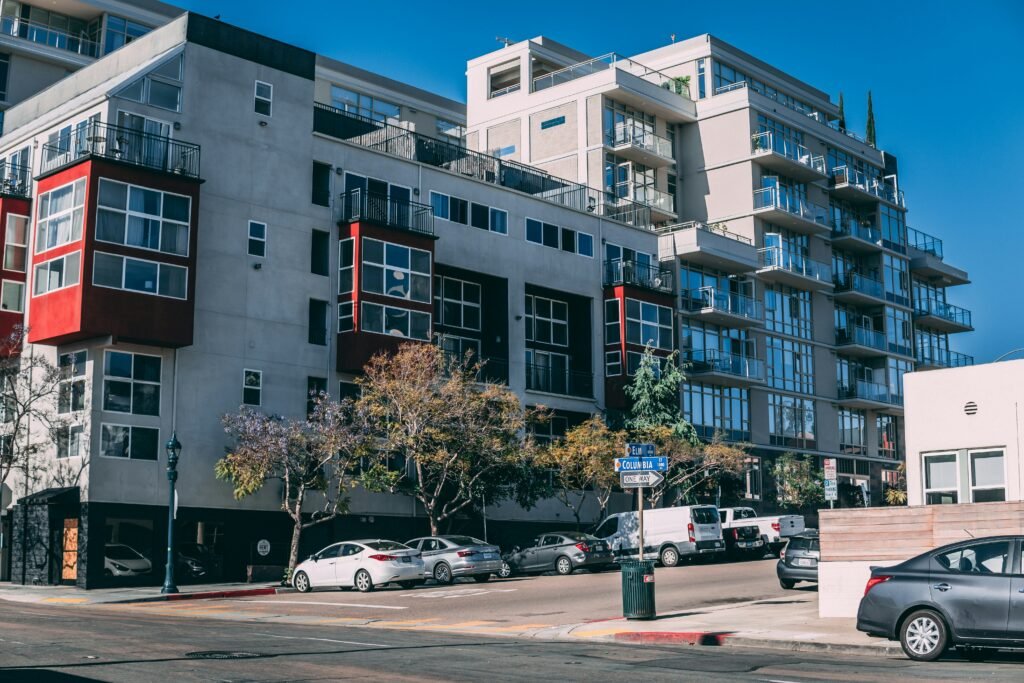
San Diego is known for comfortable weather, but that does not mean every apartment stays dry and well ventilated. Renters can encounter stuffy rooms, condensation, musty odors and mold, particularly in buildings near the coast or units with limited airflow.
San Diego apartment humidity should therefore be considered before signing a lease. A clean-looking unit can still have moisture problems behind furniture, beneath sinks or around windows. Knowing what to inspect can help you distinguish an ordinary humid day from a persistent problem within the apartment.
Why San Diego Apartments Can Feel Humid
San Diego’s coastal location can bring moist air into neighborhoods near the ocean. However, outdoor humidity is only one part of the issue. Conditions inside an apartment depend on its construction, ventilation, location and maintenance history.
A ground-floor apartment may receive less sunlight and airflow than an upper-floor unit. Apartments shaded by nearby buildings or trees can also remain cooler and damper. Older windows, leaking pipes and poorly ventilated bathrooms can allow moisture to accumulate.
Every apartment is different. Two units in the same neighborhood may have noticeably different indoor conditions because of their orientation, ventilation and previous maintenance.
Humidity Does Not Always Mean Mold
A humid apartment does not automatically have a mold problem. Indoor air may temporarily feel damp during warm coastal weather, after showering or while cooking. The concern becomes more serious when moisture remains trapped for long periods.
According to the California Department of Public Health, controlling dampness and correcting the source of unwanted moisture are important parts of preventing indoor mold growth.
Persistent moisture may come from a plumbing leak, roof damage, water entering around a window, poor bathroom ventilation or condensation on cold surfaces. Mold can develop when these conditions are not corrected.
Warning Signs During an Apartment Viewing
Do not rely only on visible mold. Use your eyes, nose and sense of touch while viewing the apartment.
A strong musty or earthy odor deserves attention, even when walls appear freshly painted. Check for discoloration around ceilings, windows, baseboards and plumbing fixtures. Bubbling paint, warped cabinets or soft drywall can indicate previous water exposure.
Pay particular attention to:
- The cabinet beneath every sink
- Window frames and surrounding walls
- Bathroom ceilings and grout
- Closets positioned against exterior walls
- Areas behind large appliances
- Carpet near windows, balconies and exterior doors
- Walls shared with showers, laundry rooms or plumbing
Fresh paint is not necessarily suspicious because apartments are commonly repainted between tenants. However, one newly painted patch surrounded by older paint may justify asking whether the area was recently repaired.
Check the Apartment’s Ventilation
Ventilation helps carry moisture out of kitchens, bathrooms and living areas. During a viewing, check whether the bathroom has an operable window or exhaust fan. Turn the fan on and listen for airflow rather than assuming that noise means it is working effectively.
Look at the kitchen ventilation as well. Some range hoods send air outdoors, while others simply filter and return it to the room. A recirculating hood may do less to remove moisture produced during cooking.
Open several windows to see whether they move easily and can remain open safely. Windows that are painted shut, damaged or missing screens may limit how often a renter can ventilate the apartment.
Ventilation is especially important in a unit without air conditioning. If cooling is another concern, TCG’s guide to Los Angeles apartment amenities explains why air conditioning can become more important than renters initially expect in Southern California.
Ask About Previous Leaks and Repairs
Direct questions can reveal information that is not obvious during a brief tour. Ask whether the apartment has experienced roof leaks, plumbing failures, window leaks or flooding. You can also ask whether the building has completed any recent moisture or mold repairs.
If the property manager mentions a past leak, ask what caused it and whether the source was repaired. Cleaning a stain or repainting a wall does not resolve an active plumbing or building-envelope problem.
Request written answers when a moisture issue could influence your decision. Verbal assurances may be difficult to confirm later.
California rental housing providers are required to give prospective tenants a state booklet about dampness and mold. Renters can also review the state’s official Information on Dampness and Mold for Renters in California before signing a lease.
Consider Where the Unit Is Located
An apartment’s position within the building can affect indoor moisture.
Ground-floor units may be closer to damp soil, irrigation or poorly drained exterior areas. Top-floor units can be more exposed to roof leaks. Units beside laundry rooms or beneath bathrooms may have additional plumbing nearby.
Coastal apartments may receive more frequent moist air, but inland apartments are not automatically protected. Indoor humidity can still develop from showers, cooking, drying clothes indoors, plumbing problems or insufficient ventilation.
Look outside the unit as well. Standing water, overflowing gutters, damaged stucco and irrigation spraying directly against the building may point to conditions that could eventually affect the interior.
Document the Apartment Before Moving In
Take clear photographs and videos before bringing in furniture. Include ceilings, walls, window frames, flooring, cabinets and the areas beneath sinks.
Record existing stains, peeling paint, damaged caulking and musty areas on the move-in inspection form. Send the completed record to the landlord or property manager and retain a copy.
Documentation does not prove what caused a moisture problem, but it can establish the condition of the apartment when your tenancy began. This can help prevent confusion about whether damage was already present.
Renters should also include potential electricity expenses in their housing budget if they expect to use air conditioning or a dehumidifier. The TCG guide to California living costs can help newcomers estimate housing and utility expenses before moving.
What to Do When Moisture Appears After Moving In
Report water intrusion, visible mold or persistent dampness promptly. A written message or maintenance request creates a dated record and allows you to describe the location clearly.
Include photographs and explain whether the problem is spreading, returning after cleaning or connected to a possible leak. Report active leaks immediately rather than waiting for visible mold to appear.
Tenants should provide reasonable access when inspections or repairs are scheduled. Continue documenting the condition before, during and after the work.
The California Department of Public Health explains that both renters and housing providers have roles in controlling moisture. Renters should use available ventilation and report problems, while property owners may need to correct leaks, building defects or other sources that tenants cannot reasonably repair themselves.
For unresolved substandard housing concerns within the City of San Diego, residents can review the city’s Building and Land Use Enforcement information and investigation process.
Avoid Covering Up the Source
Cleaning a small surface mark may improve its appearance, but recurring mold usually indicates that moisture remains. Painting over a stain or repeatedly wiping the same area does not repair a leaking pipe, failing window seal or damaged roof.
Large, recurring or hidden growth may require professional evaluation. Renters should not open walls, remove building materials or make structural repairs without authorization. Disturbing affected materials can spread particles and may cause additional damage.
The priority should be identifying why the area remains damp and correcting that condition.
Frequently Asked Questions
Are coastal San Diego apartments more likely to feel humid?
Coastal apartments may experience more moist outdoor air, but location alone does not determine indoor humidity. Ventilation, sunlight, leaks, building design and the apartment’s position can have a greater effect on a particular unit.
Is a musty odor enough reason to avoid an apartment?
A musty odor does not prove that a serious mold problem exists, but it should not be ignored. Ask about previous leaks or repairs and inspect closets, cabinets, windows and other areas where moisture can remain hidden.
Should renters purchase a humidity meter?
A basic humidity meter can help a renter observe indoor conditions over time. However, a single reading does not identify the source of moisture or establish whether mold is present. Patterns and visible building conditions matter more than one measurement.
Can an apartment have mold without visible spots?
Yes. Mold or damp materials may be hidden behind furniture, inside cabinets or within building cavities. Persistent odors, recurring stains and ongoing moisture can justify further investigation even when no obvious growth is visible.
Who should fix mold in a San Diego rental?
Responsibility depends on what caused the moisture. A landlord may need to address leaks or building defects, while tenants are generally expected to use available ventilation and avoid creating excessive moisture. Renters should document the condition and obtain qualified legal guidance if responsibility is disputed.
Should renters test mold before reporting it?
Renters do not need to wait for a test before reporting visible growth, water damage or a persistent musty odor. The immediate concern is documenting the condition and identifying the moisture source.
Note: This article provides general housing information and is not legal, medical or environmental-testing advice. Mold concerns involving health symptoms, extensive growth or a landlord dispute may require assistance from an appropriate qualified professional.