California offers no shortage of restaurants, entertainment venues and ticketed events. The challenge is finding places where people can spend time regularly without turning every outing into a major expense.
California Third Places are settings outside the home, workplace or school where people can become part of a community through repeated visits. A library, recreation center, neighborhood park or farmers market can provide this role when it is welcoming, accessible and easy to revisit.
The goal is not necessarily to meet dozens of new people. A useful third place can simply provide familiar surroundings, light social contact and a reason to participate in neighborhood life.
What Makes a Place a Third Place?
A third place is more than a location where people happen to gather. It supports informal participation without requiring an invitation or a major commitment.
People should be able to return often enough to understand the rhythm of the place. Over time, they may recognize employees, volunteers, vendors or other visitors. Those small moments of familiarity can make a large city or unfamiliar neighborhood feel more manageable.
The setting also needs a reason for people to remain. Seating, shade, activities, walking paths or a predictable schedule can turn an ordinary public space into part of someone’s routine.
A crowded destination is not automatically a strong third place. If everyone arrives once, takes photographs and leaves, there may be little opportunity for community to develop.
Why Third Places Matter in California
California’s geography can make casual socializing difficult. Friends may live in different cities within the same metropolitan area, and traffic can make a short meeting require considerable planning.
The cost of going out creates another barrier. A casual meal, parking and transportation can consume a significant part of a weekly recreation budget. This can make people socialize less frequently even when they want more connection.
Remote work may also reduce everyday contact. Someone can spend an entire workday at home without the conversations that once occurred naturally during a commute or lunch break.
A nearby community space cannot solve every form of isolation, but it can add regular human contact without requiring an elaborate plan.
The Best Option Is Usually Close to Home
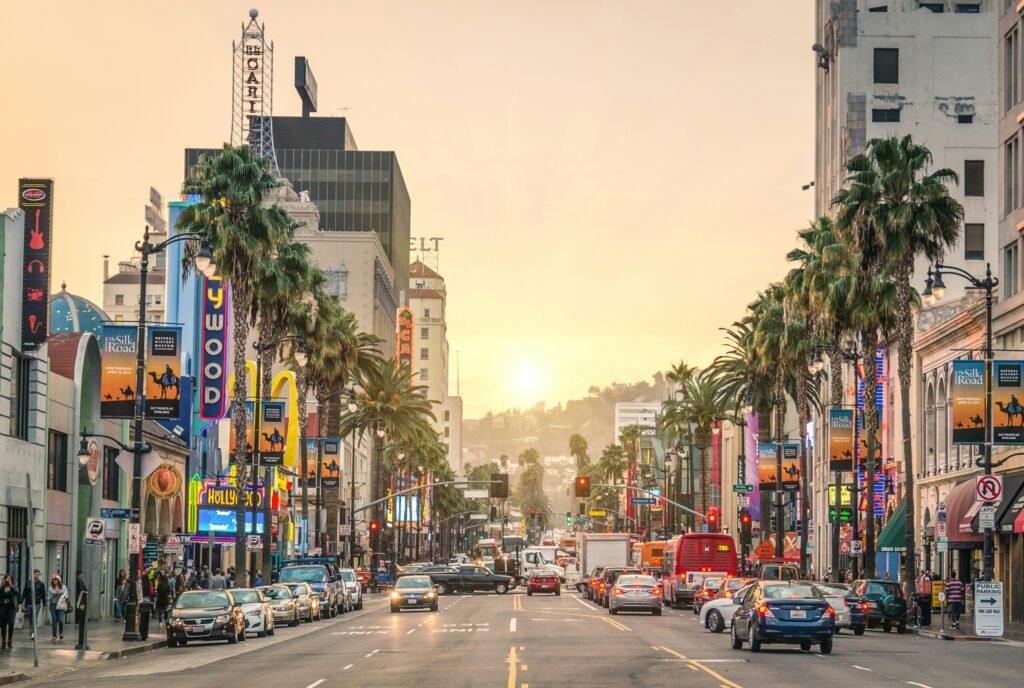
A famous beach or popular cultural district may be enjoyable, but it will not necessarily support a weekly routine. Distance, traffic and parking can make the visit too demanding.
Begin with places that can be reached consistently. The practical radius will depend on whether someone walks, cycles, drives or uses public transportation.
A small library ten minutes away may be more useful than a spectacular facility across the region. The same principle applies to parks, markets and community programs.
Convenience also makes spontaneous visits possible. When attending requires little preparation, the place can become part of ordinary life rather than a special occasion.
Public Libraries
California public libraries are among the most accessible places to spend time without buying anything. In addition to books, branches may offer study areas, computers, lectures, workshops, language practice and children’s programs.
Each branch has its own atmosphere. A downtown library may feel active throughout the day, while a small neighborhood branch may offer a quieter experience.
Reviewing the event calendar can reveal activities that attract returning participants. A monthly book discussion or weekly workshop provides more continuity than an isolated event.
People who prefer limited conversation can still benefit from being around others in a familiar environment. Participation does not have to begin with joining a formal group.
The California State Library provides information about library resources and programs available across the state.
Neighborhood Parks
A neighborhood park can support exercise, relaxation and informal conversation without requiring registration.
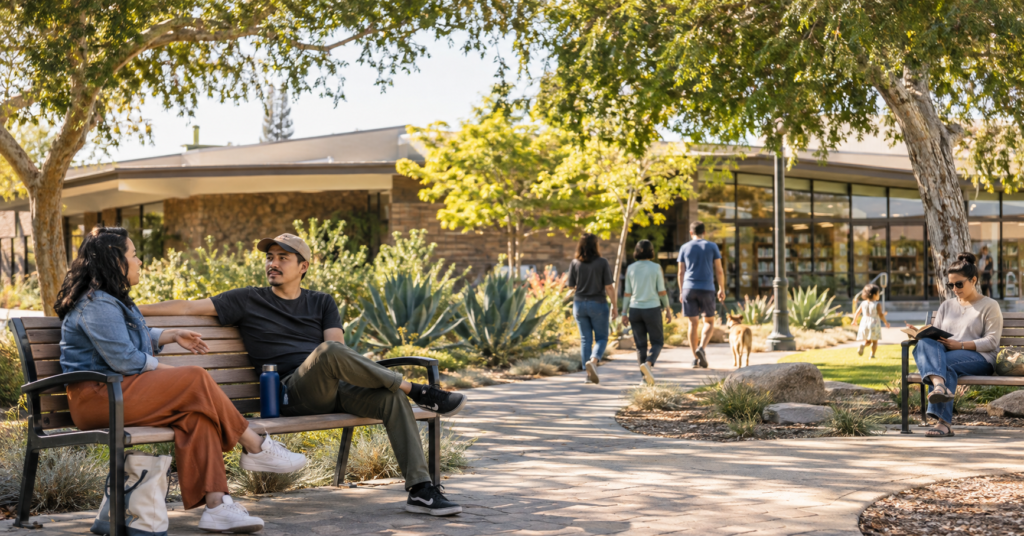
The features of the park influence how people use it. Walking loops attract regular exercisers, playgrounds bring caregivers together and dog areas create repeated encounters among pet owners. Tables and shaded seating encourage longer visits.
Timing matters as much as location. A park that feels empty in the middle of a weekday may become active before work, after school or on weekend mornings.
Choose a time that fits both personal comfort and the kind of community being sought. Someone looking for quiet outdoor time may prefer a different schedule from someone hoping to meet other residents.
Recreation Centers
Local recreation centers provide more structure than an open park. They may host fitness classes, art programs, adult sports, senior activities and community meetings.
A recurring program can make conversation easier because participants already share an activity. There is no need to approach strangers without context.
Before registering, check the complete cost. A class may have a modest enrollment fee but require equipment, materials or a facility membership.
City residents sometimes receive lower prices than nonresidents. Registration periods can also begin weeks before the program, so waiting until the first meeting may mean the class is already full.
The most useful program is one that remains enjoyable even if friendships take time to develop.
Farmers Markets
A weekly farmers market can become a reliable neighborhood gathering because it operates on a predictable schedule.
Visitors may recognize vendors, musicians and other shoppers after several trips. The setting makes short conversations feel natural because people are already discussing food, products or local events.
A market does not have to become an expensive shopping trip. Someone can purchase one planned item, take a walk and learn what is happening in the neighborhood.
Setting a spending limit before arriving is helpful. Attractive prepared foods and specialty products can quickly turn a budget-friendly outing into a costly habit.
Community Gardens
Community gardens offer an activity-based environment where interaction can develop while people work.
Some gardens assign individual plots, while others operate collectively. Fees, waiting lists and volunteer requirements vary, so residents should understand the rules before applying.
A garden may also host public workshops, seed exchanges or scheduled workdays. These events can provide access for someone who does not have a plot.
This environment suits people who prefer practical tasks over unstructured social events. The gardening remains worthwhile even when conversation is brief.
Walking Groups
Walking groups can offer exercise and social contact with relatively little equipment. They also provide a clear beginning, route and finish.
The group’s pace should match the participant’s ability. A relaxed neighborhood walk is different from a steep hike or fitness-focused speed walk.
Review the distance, elevation, meeting point and expected completion time before attending. Evening groups should be evaluated for lighting and transportation home.
Consistency matters more than choosing the longest or most scenic route. A manageable weekly walk is more likely to become part of everyday life.
Hobby-Based Gatherings
Book clubs, board-game groups, photography walks and craft circles give people an immediate subject to discuss.
This structure can make participation easier for someone who dislikes general networking events. Attention can remain on the activity until conversation develops naturally.
Costs depend on the hobby. A group may appear free but expect members to purchase supplies, books, equipment or food.
Ask what is needed before the first meeting. Borrowing equipment or choosing a beginner session can prevent unnecessary spending before deciding whether the activity is a good fit.
Volunteering
Volunteering can provide recurring contact while supporting a local organization. Opportunities may involve food distribution, environmental cleanup, animal care, tutoring or community events.
The role should match the volunteer’s schedule and physical ability. An assignment involving public interaction will feel different from sorting donations or preparing materials.
A recurring shift usually creates more continuity than attending unrelated one-day events. Volunteers begin to understand the organization and work with some of the same people.
The organization’s needs should remain the priority. Volunteering should not be treated solely as a strategy for gaining social or professional contacts.
Alcohol-Free Evening Activities
People who do not drink can find it difficult to identify evening gathering spaces. Restaurants and bars dominate many commercial districts after work.
Libraries with later hours, recreation programs, walking groups, public lectures and community art events can provide alternatives. Some cafés and markets also host evening programs without making alcohol the center of the activity.
Residents near Sacramento can review TCG’s verified guide to after-work activities in Sacramento without drinking for examples of how to plan an evening around outdoor, cultural and community activities.
An alcohol-free outing does not need to be marketed specifically as sober. The activity itself can simply offer another reason to gather.
Cafés as Occasional Third Places
A café can provide a comfortable environment for reading, conversation or independent work. However, using one as a regular gathering place can become expensive.
Choose a business that is comfortable with the intended length of the visit. A small café with limited seating may depend on frequent turnover during busy periods.
A customer should make an appropriate purchase and avoid occupying a large table unnecessarily. Bringing outside food or treating the space as a free office may violate the business’s rules.
Limiting café visits to certain days can preserve the routine without creating a daily expense.
Public Market Halls and Food Courts
Public market halls and food courts work well for small groups with different budgets and food preferences.
People can order separately, arrive at different times and stay without the formality of a table-service restaurant. Some members of the group may choose not to purchase a full meal.
The setting should still be evaluated for parking, noise and seating limits. A food hall built around premium restaurants may cost as much as a traditional dinner.
These spaces are often most useful during off-peak hours when tables are available and conversation is possible.
Beaches and Waterfront Paths
Beaches, piers and waterfront trails can provide space for walking and informal gatherings. Entry may be free, but access is not always cost-free.
Parking fees, fuel and long travel times can make frequent visits expensive. Coastal weather can also change quickly, even when nearby inland areas are warm.
A beach becomes a realistic third place only when it is accessible enough to revisit. Someone living close to the coast may use it weekly, while an inland resident may need a more local option.
Before planning a regular coastal gathering, review TCG’s verified California Beach Parking and Access Guide for information about public entrances, parking rules and backup plans.
Faith and Cultural Organizations
Faith communities and cultural organizations may offer gatherings, classes, celebrations and service projects.
Participation should begin with genuine interest and respect. These spaces have values and traditions that extend beyond their social benefits.
Some events are open to the public, while others are intended for members. Checking the organization’s website or contacting an organizer can clarify expectations.
A newcomer does not need to make an immediate commitment. Attending an appropriate public program can provide a better understanding of the community.
Adult-Education Programs
Community colleges, adult schools and local education programs may offer noncredit courses, workshops and public lectures.
Learning provides a shared purpose, which can support conversation over several sessions. Subjects may include languages, art, technology, cooking or personal finance.
Program costs vary. Some noncredit classes are free, while extension courses may be relatively expensive.
Review the schedule, workload and registration conditions before enrolling. A demanding class chosen only for social reasons can become stressful rather than enjoyable.
Spaces for Parents and Caregivers
Libraries, playgrounds and recreation programs can become important gathering places for parents and caregivers.
Children’s activities provide a natural reason to return, while adults may gradually recognize one another. Conversation can begin with practical topics rather than personal questions.
Useful features include shade, seating, restrooms, stroller access and age-appropriate equipment. Without these basics, regular visits may become difficult.
Caregivers should respect one another’s attention and privacy. Not every person at a playground is looking to expand their social circle.
Dog-Friendly Community Spaces
Dog parks and walking routes create repeated contact because pet owners often follow predictable schedules.
Dogs provide an easy conversation starter, but owners remain responsible for supervision and local rules. A social visit should not distract from monitoring the animal.
Observe the space before entering. Size divisions, fencing, crowding and the behavior of other dogs can affect whether it is appropriate.
People without dogs should avoid entering enclosed dog areas solely to meet owners. Public walking paths or pet-related community events offer more suitable alternatives.
Public Art and Cultural Events
Museums, galleries and performance spaces sometimes offer free days, outdoor programs or community nights.
These events can introduce residents to local arts organizations without requiring a full-price ticket. They may also lead to workshops or volunteer opportunities held throughout the year.
Free admission often attracts larger crowds. Check whether reservations are required and whether parking will cost more than the event.
A single event provides entertainment. A recurring program is more likely to create ongoing familiarity.
Choose One Place Instead of Many
Trying several community spaces can help with comparison, but constantly switching locations prevents familiarity from developing.
After exploring a few options, choose one that fits the schedule, transportation budget and preferred level of interaction. Commit to visiting it regularly for a reasonable trial period.
The first visit may feel awkward simply because everything is unfamiliar. By the third or fourth visit, the layout, staff and routine may feel more comfortable.
If the place remains inconvenient or unwelcoming, try another. The goal is a sustainable habit, not loyalty to a poor fit.
Work With Your Actual Social Energy
Some people feel comfortable entering a crowded event alone. Others prefer a quiet setting where conversation is optional.
A third place should fit the person rather than requiring a new personality. Introverted residents may prefer libraries, gardens or small classes. Those who enjoy active groups may prefer team sports or community events.
Activity-based environments can reduce pressure because the task remains the main focus. Silence does not feel like failure when participants are reading, walking or working.
The right amount of interaction is the amount that can be maintained without exhaustion.
Calculate the Complete Cost
A free event may still involve fuel, transit, parking, equipment or food. Travel time also affects whether participation is sustainable.
Estimate the full cost before turning an activity into a weekly habit. A nearby program with a small fee may be less expensive overall than a free event requiring a long drive.
Avoid feeling obligated to purchase something every time unless the venue depends on customer spending. Public libraries and parks work differently from cafés and privately operated markets.
A monthly recreation budget can make these choices easier. It allows room for occasional purchases without allowing every outing to become unplanned spending.
Become Recognizable Without Forcing Conversation
Familiarity usually develops through repeated presence rather than an impressive introduction.
Simple actions are enough at first. Greeting staff, asking an organizer a relevant question or acknowledging another regular visitor can make future interaction easier.
Not every exchange needs to lead to a friendship. Brief conversations and recognition still contribute to a sense of belonging.
Respect boundaries and avoid requesting contact information too quickly. Relationships formed around a shared place often strengthen gradually.
Check Whether the Community Is Genuinely Welcoming
A place can be publicly accessible without feeling comfortable for every visitor.
Notice whether newcomers receive basic information, whether activities are clearly explained and whether the physical environment supports different ages and abilities.
Accessibility can involve ramps, seating, restrooms, lighting, noise levels and public transportation. It can also involve whether someone can participate without expensive equipment or prior experience.
If important details are missing online, contact the organizer before traveling. This is especially useful when mobility, sensory or scheduling needs affect participation.
Use Online Groups to Find Offline Routines
Neighborhood forums and event platforms can help residents discover activities. They are most useful as directories rather than replacements for local participation.
An online group with thousands of members may have little in-person activity. A small organization with a dependable monthly meeting may offer more consistency.
Select one event with a clear location, time and purpose. Verify the details through the organizer’s official page before attending.
Avoid sharing unnecessary personal information with unfamiliar accounts. Public meetings in established locations are generally easier to evaluate than private invitations.
Keep Commercial Networking Separate
A third place should not become a room full of potential customers. Turning every conversation into a business pitch can make other participants uncomfortable.
Business owners and freelancers should follow the venue’s rules regarding promotion. Flyers, sales conversations and contact collection may be inappropriate outside designated networking events.
Professional relationships sometimes grow from community participation, but they should develop as a secondary benefit.
Showing genuine interest in the place and its people creates a stronger foundation than immediate self-promotion.
Allow the Routine to Develop
Community rarely appears after one visit. People need time to recognize one another, understand the setting and feel comfortable participating.
Choose a schedule that is realistic rather than ambitious. A weekly or biweekly visit may be enough when maintained for several months.
If the routine begins to feel expensive, inconvenient or emotionally demanding, adjust it. Change the time, shorten the visit or choose a closer location.
California Third Places are valuable because they make connection part of normal life. The most effective option is not necessarily the largest or most popular. It is the place someone can return to without excessive planning, spending or pressure.
Note: Hours, fees, eligibility rules and event schedules can change. Confirm current information with the relevant library, recreation department, park or organization before visiting. Follow posted rules and respect the privacy and boundaries of other participants.