
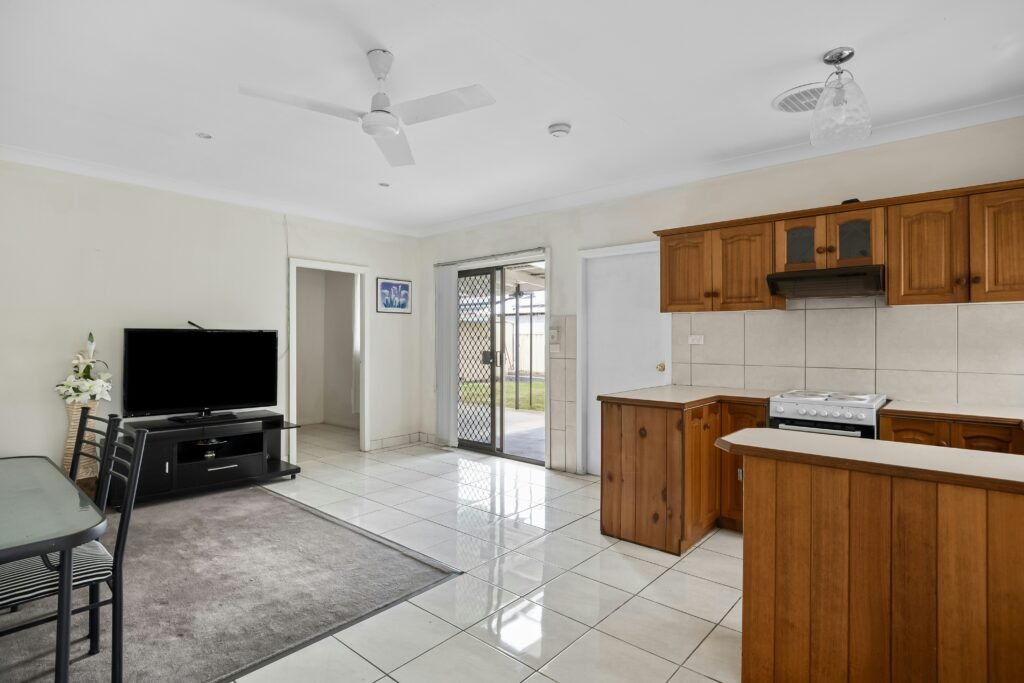
The 3-Bedroom Home Cost in San Francisco generally falls between $1.5 million and $2.5 million, although the price can be considerably lower or higher depending on the neighborhood, property type, condition, parking and outdoor space.
A three-bedroom condominium may sell for approximately $1.2 million to $2 million, while a three-bedroom single-family house may cost between $1.7 million and $3 million or more. In highly desirable neighborhoods, renovated homes with views, garages or larger lots can sell for well above these ranges.
These figures should be treated as planning estimates rather than fixed market prices. San Francisco real estate can change quickly, and two homes with the same number of bedrooms may have very different values.
Quick Cost Estimate
A buyer researching a three-bedroom property in San Francisco can use the following general ranges:
| Property type | Approximate price range |
|---|---|
| Three-bedroom condo | $1.2 million–$2 million |
| Three-bedroom townhome | $1.4 million–$2.3 million |
| Three-bedroom TIC interest | $900,000–$1.7 million |
| Three-bedroom single-family home | $1.7 million–$3 million or more |
| Renovated luxury home | $3 million–$6 million or more |
A tenancy-in-common interest, commonly called a TIC, may appear less expensive than a condominium or detached house. However, TIC financing, ownership arrangements and resale conditions can be more complicated. Buyers should not compare a TIC price directly with a conventional condominium price without considering those differences.
Why There Is No Single Average Price
The term “three-bedroom home” can describe several very different properties.
One listing may be a compact condominium without parking. Another may be a detached house with a garage, backyard and views. A third may have three advertised bedrooms even though city records recognize fewer legal sleeping rooms or a different number of dwelling units.
Square footage also matters. A three-bedroom property measuring 1,200 square feet will usually be priced differently from one measuring 2,000 square feet, even if both appear in the same neighborhood.
The average home price in San Francisco therefore provides only a starting point. Buyers need to compare recent sales involving the same property type, approximate size, condition and location.
Three-Bedroom Home Prices by San Francisco Area
Neighborhood boundaries and individual streets can affect prices substantially. The following ranges provide a broad picture of what buyers may encounter, but they are not formal appraisals or guarantees of current value.
Bayview, Visitacion Valley and Excelsior
Three-bedroom homes in these areas may begin near $1 million, with many properties falling between approximately $1 million and $1.6 million.
Buyers may find more single-family houses and somewhat more interior space for their budget than in central or northern neighborhoods. Condition, transportation access, slope, views and the immediate block can still create significant price differences.
Outer Mission, Oceanview and Ingleside
A three-bedroom property may cost approximately $1.1 million to $1.8 million. Detached homes with parking can attract strong interest, particularly when they are close to transit or have been recently updated.
Buyers should examine drainage, foundations, permitted use and any additions made to lower levels or garages.
Sunset and Richmond districts
Three-bedroom homes in the Sunset and Richmond districts commonly fall within a broad range of approximately $1.4 million to $2.3 million.
Many houses have garages and lower-level spaces that owners have converted into bedrooms, offices or in-law units. Buyers should confirm whether the advertised layout agrees with city records and permits.
Homes closer to parks, commercial streets or popular transportation routes may carry a premium. Ocean exposure, fog, exterior maintenance and moisture should also be considered when evaluating properties in western San Francisco.
Bernal Heights, Glen Park and Potrero Hill
A three-bedroom home in these neighborhoods may cost approximately $1.6 million to $2.8 million. Renovated houses with outdoor space, views and convenient access to employment centers can sell above that range.
Hillside properties require careful attention to foundations, retaining walls, drainage and access. A beautiful view can add value, but it may also come with more complicated maintenance.
Noe Valley, Cole Valley and Duboce Triangle
Three-bedroom properties in these highly competitive areas may range from approximately $1.9 million to more than $3.5 million.
Family-sized houses are limited in number, and move-in-ready properties may receive considerable attention. Additional bathrooms, a garage, a level yard and proximity to neighborhood shopping can all increase the purchase price.
Pacific Heights, Presidio Heights and Russian Hill
A three-bedroom condominium may begin near $2 million, while a three-bedroom house can cost $3 million to $6 million or considerably more.
Views, historic architecture, lot size, renovation quality and private parking can produce large differences in value. Buyers considering older luxury buildings should also investigate seismic work, deferred maintenance and future building assessments.
For a broader understanding of how location affects everyday expenses, see TCG’s guide to California neighborhoods.
Condo Prices Versus Single-Family Home Prices
Condominiums are often the more accessible route to three-bedroom ownership in San Francisco, but the purchase price is only one part of the comparison.
A condo buyer normally pays monthly homeowners association fees. These fees may cover insurance for common areas, exterior maintenance, elevators, shared utilities, building staff and reserve contributions. A smaller building might have relatively modest dues, while a full-service high-rise can charge well over $1,000 per month.
Low HOA dues are not automatically an advantage. They may indicate that the association is not collecting enough money for future roof, elevator, exterior or seismic work. If reserves are inadequate, owners may face a special assessment.
A single-family home does not normally have regular HOA dues, but its owner becomes directly responsible for the roof, foundation, exterior, sewer line, drainage and other major systems.
Down Payment for a Three-Bedroom Home
A buyer does not always need a 20% down payment, but high San Francisco prices make the down payment one of the largest obstacles.
The approximate down payment would be:
| Purchase price | 10% down | 20% down |
|---|---|---|
| $1.2 million | $120,000 | $240,000 |
| $1.5 million | $150,000 | $300,000 |
| $2 million | $200,000 | $400,000 |
| $2.5 million | $250,000 | $500,000 |
A lower down payment produces a larger loan and may introduce mortgage-insurance requirements or different underwriting conditions. Buyers also need money for closing costs, inspections, prepaid taxes, insurance and immediate repairs.
Many three-bedroom homes in San Francisco require loans above the standard conforming limit. Jumbo mortgages can have stricter requirements involving credit, income, cash reserves and debt.
Estimated Monthly Mortgage Payments
Consider a three-bedroom home purchased for $1.8 million with a 20% down payment.
The down payment would be $360,000, leaving a mortgage of $1.44 million. At an illustrative 30-year fixed interest rate of 7%, the principal-and-interest payment would be approximately $9,580 per month.
That amount does not include property taxes, homeowners insurance, HOA fees or maintenance.
A simplified monthly ownership estimate could look like this:
| Expense | Illustrative monthly amount |
|---|---|
| Mortgage principal and interest | $9,580 |
| Property taxes and assessments | $1,800–$2,000 |
| Homeowners insurance | $200–$500 |
| HOA fee, if applicable | $400–$1,500+ |
| Maintenance reserve | $750–$1,500 |
| Estimated total | $12,730–$15,080+ |
This is only an example. Mortgage rates change frequently, and actual insurance, tax and HOA expenses depend on the property. Buyers can review current national mortgage benchmarks through the Freddie Mac Primary Mortgage Market Survey.
San Francisco Property Taxes
California’s basic property-tax framework generally begins with a tax equal to 1% of assessed value under Proposition 13. Local voter-approved debt and special assessments increase the final bill.
For planning purposes, a San Francisco buyer might estimate total annual property taxes and assessments at approximately 1.15% to 1.25% of the purchase price, then verify the actual rate and parcel-specific charges.
At an estimated rate of 1.2%, the annual property tax would be approximately:
| Purchase price | Estimated annual property tax |
|---|---|
| $1.2 million | $14,400 |
| $1.5 million | $18,000 |
| $2 million | $24,000 |
| $2.5 million | $30,000 |
A purchase normally causes the property to be reassessed based on its new value. Buyers should not assume that the seller’s current tax bill represents what they will pay after closing.
Parcel records and assessment information can be reviewed through the San Francisco Office of the Assessor-Recorder.
Closing Costs
Buyer closing costs for a San Francisco home commonly include lender fees, appraisal charges, escrow services, title insurance, recording expenses and prepaid taxes or insurance.
A buyer may want to reserve approximately 2% to 3% of the purchase price, although the actual amount can be lower or higher.
On a $1.8 million purchase, that planning range would be approximately $36,000 to $54,000. This money is separate from the down payment.
Responsibility for specific expenses can be negotiated. Market competition may also affect whether a seller is willing to provide credits.
The Cost of Homeowners Insurance
Insurance should be investigated before removing an insurance contingency or making the purchase nonrefundable.
A standard homeowners policy may cover the structure, personal property and certain liability risks, but earthquake damage is generally excluded unless the owner purchases separate earthquake coverage.
Condo owners should review both their individual policy and the HOA’s master policy. Coverage gaps, high deductibles or inadequate building limits may affect the buyer’s expenses and the lender’s willingness to approve the loan.
Properties with older electrical systems, outdated roofs, previous claims or unusual construction may be more difficult or expensive to insure. Requesting an insurance estimate early can prevent a late surprise.
Earthquake Risk and Retrofit Expenses
San Francisco homebuyers should consider how a property is expected to perform during an earthquake.
An older home may have an unbraced foundation, an inadequately secured cripple wall or a weak garage opening. A condominium building may have completed mandatory seismic work, have work in progress or face additional voluntary upgrades.
Retrofit expenses can range from several thousand dollars for limited foundation bolting to hundreds of thousands of dollars for complicated structural work in a larger building. The cost cannot be estimated accurately from the listing description alone.
Buyers should review permits, engineering reports and HOA meeting records. The San Francisco Department of Building Inspection provides access to building-safety and permit information.
TCG’s California Apartment Earthquake Safety Guide explains additional warning signs and preparedness considerations relevant to multifamily buildings.
Renovation and Maintenance Costs
Some three-bedroom homes appear affordable because they need substantial work. Buyers should distinguish cosmetic updates from structural or system-related repairs.
A new kitchen, multiple bathrooms, electrical service, plumbing, roof work and foundation repairs can create a large renovation budget. Permit requirements, labor costs, architectural review and access limitations can make San Francisco projects more expensive than similar work elsewhere.
Older homes may also contain lead-based paint, deteriorated exterior materials, obsolete wiring or unpermitted modifications. A pre-purchase inspection does not guarantee that every concealed condition will be discovered.
Homeowners should maintain an emergency repair reserve instead of using every available dollar for the down payment. TCG’s California home maintenance guide offers a broader overview of ongoing ownership responsibilities.
Parking Can Change the Price
A private garage or deeded parking space can materially affect the value of a San Francisco property.
Parking may be included in the legal title, assigned through HOA documents, rented separately or shared with another owner. A listing that says “parking available” does not necessarily mean the buyer will own a protected space.
Buyers should confirm whether the garage can fit their actual vehicle. Older San Francisco garages may have narrow doors, low ceilings or difficult turns. Some garages also contain utilities, storage or unpermitted living space that reduces usable parking.
A property without parking may have a lower purchase price, but the buyer should investigate neighborhood permit rules, street-cleaning schedules, vehicle security and the cost of renting a private space.
Legal Bedrooms and Unpermitted Space
Not every room advertised as a bedroom is necessarily recognized as one in official records.
Lower-level rooms, converted garages and enclosed porches may have been added without permits. A three-bedroom listing could therefore appear in city records as a two-bedroom property or as a home with a different authorized layout.
This discrepancy can affect financing, insurance, appraised value and future remodeling. It can also become an issue when the owner eventually sells.
Buyers should compare the listing with permit history, the seller’s disclosures and the city’s Report of Residential Building Record, often called a 3R Report. A qualified inspector or appropriate building professional can help evaluate conditions that are not clear from the paperwork.
Income Needed to Afford a Three-Bedroom Home
There is no universal income requirement because lenders consider the down payment, interest rate, credit, monthly debts, taxes, insurance and financial reserves.
For a home priced near $1.8 million, a household using a large mortgage may need an annual income somewhere around $350,000 to $450,000 or more to keep housing expenses within commonly used lending ratios. A larger down payment could reduce the required income.
Buyers with student loans, car payments, child-care expenses or other obligations may qualify for less even when their household income is high. Mortgage preapproval should be based on documented finances rather than an online affordability estimate.
Those comparing San Francisco with other parts of the state can review TCG’s guide to California living costs.
What Buyers Should Compare Before Making an Offer
The asking price should not be the only number used to judge affordability. A meaningful comparison includes the final sale price, square footage, property type, condition, parking and monthly building expenses.
Reviewing recent comparable sales is particularly important in San Francisco because some properties are deliberately listed below their expected sale price. A home that appears to be within budget may ultimately sell well above the published asking price.
Buyers should also examine:
- HOA reserves and planned assessments
- Inspection and disclosure reports
- Permit and authorized-use records
- Foundation and seismic conditions
- Roof and exterior maintenance
- Insurance availability
- Parking rights
- Tenant or occupancy issues
- Monthly taxes and assessments
These checks help turn the advertised price into a more realistic estimate of the complete cost of ownership.
Frequently Asked Questions
How much does a three-bedroom house cost in San Francisco?
A three-bedroom single-family house may cost approximately $1.7 million to $3 million or more. Neighborhood, condition, parking, views and lot size can move the price outside that range.
Is a three-bedroom condo cheaper than a house?
It often has a lower purchase price. However, HOA dues, special assessments and master-insurance costs can reduce the monthly savings.
Can buyers find a three-bedroom property below $1 million?
It is possible but uncommon. Properties below that level may be TIC interests, require major repairs, have location or occupancy complications, or differ from conventional single-family homes and condos.
How much is a 20% down payment?
A 20% down payment is $300,000 on a $1.5 million home, $400,000 on a $2 million home and $500,000 on a $2.5 million home.
How much are monthly payments on a San Francisco home?
A $1.8 million home with 20% down could produce a principal-and-interest payment of about $9,580 at an illustrative 7% interest rate. Taxes, insurance, HOA dues and maintenance could raise the complete monthly cost above $12,000.
Are San Francisco asking prices reliable?
Not always. Some homes are priced below the amount the seller expects to receive in order to attract more buyers. Recent comparable sales can provide a more useful measure of market value.
Does a listed third bedroom need to be permitted?
Buyers should not assume that every advertised bedroom is recognized in city records. Permit history, seller disclosures and authorized occupancy records should be reviewed before closing.
Note: Prices and mortgage rates change, and the ranges in this article are general estimates rather than quotations, appraisals or financial advice. Buyers should verify current comparable sales, loan terms, taxes, insurance and property records before making a purchase decision.