
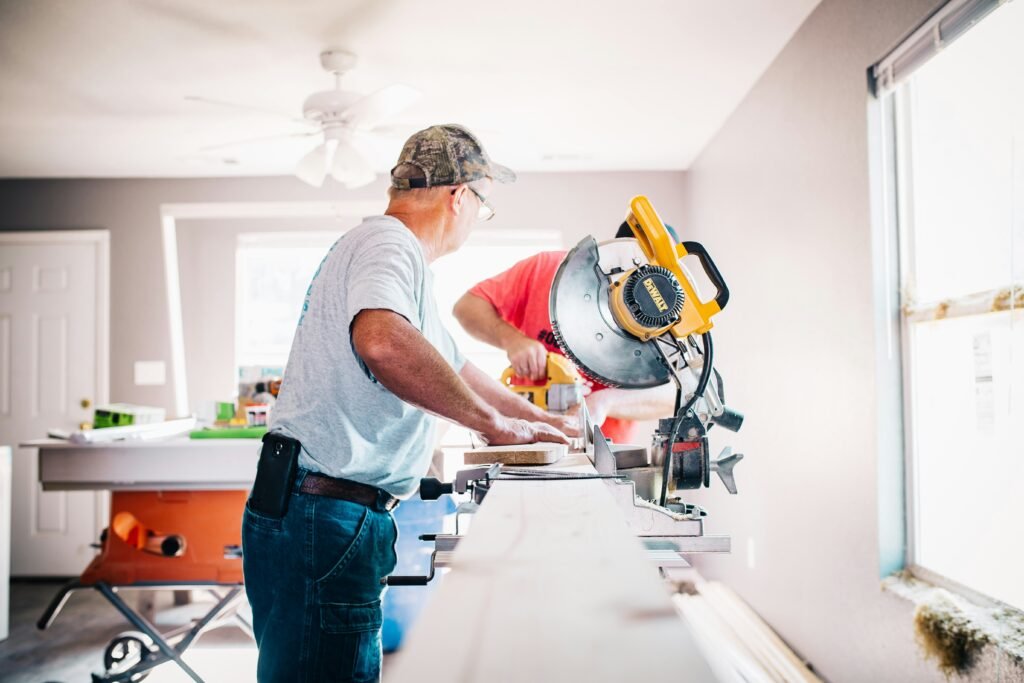
A Los Angeles Home Renovation for a three-bedroom house may cost anywhere from approximately $75,000 to more than $500,000. A cosmetic renovation sits near the lower end, while a complete remodel involving the kitchen, bathrooms, electrical system, plumbing, layout and structural work can reach the upper end or exceed it.
For a typical three-bedroom Los Angeles house measuring approximately 1,400 to 2,000 square feet, homeowners can use the following preliminary ranges:
| Renovation level | Approximate cost |
|---|---|
| Cosmetic improvements | $75,000–$150,000 |
| Mid-range whole-house renovation | $175,000–$350,000 |
| Extensive structural renovation | $350,000–$600,000+ |
| Luxury renovation | $500,000–$1 million+ |
These figures are general planning estimates. The actual price depends on the house, neighborhood, materials, design, permit requirements and conditions discovered after work begins.
Los Angeles Renovation Cost per Square Foot
Cost per square foot is useful during early planning, but it should not replace a room-by-room estimate.
A light renovation involving paint, flooring, fixtures and limited cabinetry may cost approximately $50 to $100 per square foot. A mid-range renovation may fall between $125 and $250 per square foot, while an extensive renovation with structural changes and high-end materials may cost $250 to $450 per square foot or more.
For a 1,600-square-foot house, those ranges would produce the following estimates:
| Scope | Cost per square foot | Estimated total |
|---|---|---|
| Light renovation | $50–$100 | $80,000–$160,000 |
| Mid-range renovation | $125–$250 | $200,000–$400,000 |
| Extensive renovation | $250–$450+ | $400,000–$720,000+ |
Not every part of a house costs the same amount to renovate. Kitchens and bathrooms contain expensive cabinets, plumbing, electrical work and finishes. Bedrooms and living rooms are normally less expensive unless walls, windows or structural components are being changed.
What a Cosmetic Renovation Includes
A cosmetic renovation changes the appearance of the house without substantially altering its layout or major systems.
This level of work may include interior painting, flooring replacement, cabinet refinishing, new countertops, updated light fixtures and minor bathroom improvements. It might also cover replacing interior doors, adding storage or improving landscaping.
A cosmetic renovation for a three-bedroom Los Angeles home may cost $75,000 to $150,000. The final amount depends on material quality and how much work is completed in the kitchen and bathrooms.
Cosmetic improvements can make a home feel new, but they do not correct old wiring, failing pipes, foundation movement or an aging roof. Homeowners should avoid spending the entire budget on visible finishes before confirming that essential systems are in acceptable condition.
Mid-Range Whole-House Renovation Costs
A mid-range renovation usually combines cosmetic improvements with substantial updates to the kitchen, bathrooms and mechanical systems.
For a three-bedroom house, this may involve a new kitchen, two renovated bathrooms, flooring, paint, updated lighting, electrical improvements and some plumbing or HVAC work. Minor layout changes may also be included.
A realistic budget may fall between $175,000 and $350,000. Costs move toward the upper end when the project requires custom cabinets, upgraded windows, extensive tile work or changes to walls and utilities.
A house does not need to look severely damaged to require a large budget. Older Los Angeles homes may have multiple generations of wiring, plumbing and remodeling concealed behind finished walls.
Extensive Structural Renovation Costs
An extensive renovation may involve removing walls, replacing major systems, repairing the foundation, rebuilding portions of the house or changing the floor plan.
This work may cost between $350,000 and $600,000 or more for a typical three-bedroom property. Luxury materials, difficult hillside access, historic restrictions or major structural problems can raise the cost considerably.
Structural alterations usually require architectural or engineering plans. They may also trigger additional code requirements involving energy efficiency, fire safety, seismic performance or accessibility to equipment.
The estimate should separate necessary structural work from optional design improvements. This makes it easier to protect essential parts of the project when the budget becomes tight.
Kitchen Renovation Cost
A kitchen is commonly the most expensive room in a Los Angeles home renovation.
A modest kitchen update may cost $30,000 to $60,000. A complete mid-range kitchen renovation may cost $60,000 to $120,000, while a large custom kitchen can exceed $150,000.
Cabinetry often represents a major share of the budget. Appliances, countertops, plumbing fixtures, electrical circuits, ventilation and tile also add substantial costs.
Moving the sink, range or refrigerator can be more expensive than replacing those features in their existing positions. Relocation may require new plumbing, gas, electrical or ventilation work.
Opening the kitchen to another room may also require an engineer if the wall supports part of the house. A design that looks simple in a rendering can become complicated once structural and mechanical requirements are considered.
Bathroom Renovation Costs
A standard bathroom renovation in Los Angeles may cost approximately $25,000 to $50,000. A larger primary bathroom with custom tile, a separate shower, double vanity or layout changes may cost $50,000 to $100,000 or more.
A three-bedroom house commonly has two bathrooms, which means renovating both could add $50,000 to $150,000 to the total project.
Waterproofing is one area where reducing costs can create expensive problems later. The work behind the finished tile is as important as the visible materials.
Older bathrooms may also reveal damaged framing, outdated plumbing or inadequate ventilation after demolition. These conditions can increase both the budget and timeline.
Bedroom and Living Area Costs
Bedrooms are usually less expensive to renovate because they contain fewer plumbing fixtures and built-in components.
Painting, flooring, trim, lighting and closet improvements may cost $10,000 to $25,000 per bedroom, depending on the materials and amount of custom work.
A living room or dining area may cost $15,000 to $40,000 for finishes and lighting. New windows, fireplaces, built-in cabinetry or structural wall changes can make the project considerably more expensive.
If a room is advertised as a bedroom but was created without permits, renovation plans may need to address legal use, emergency escape, ventilation, ceiling height and other building requirements.
Electrical System Upgrades
Many older Los Angeles houses were built before modern households began using high-powered appliances, air conditioning, electric vehicles and extensive electronic equipment.
Electrical work may include a panel upgrade, rewiring, new outlets, dedicated kitchen circuits, lighting and smoke or carbon-monoxide alarms. Depending on the existing system and project scope, the electrical portion may cost $15,000 to $50,000 or more.
Homes with older panels or visible wiring alterations need careful evaluation. A cosmetic remodel that adds appliances without addressing limited electrical capacity can create safety and reliability problems.
Future plans should also be considered. A homeowner expecting to install an electric vehicle charger, heat-pump system or induction range may need additional capacity.
Plumbing and Sewer Expenses
Plumbing costs depend heavily on whether fixtures stay in their existing locations.
Replacing accessible supply and drain lines may cost several thousand dollars. Replumbing a whole house can cost approximately $15,000 to $40,000 or more, depending on size, access and material choices.
The sewer line is usually outside the visible renovation area but can still become a major expense. Older lines may be damaged by roots, corrosion, movement or deterioration.
A sewer inspection before construction can help identify problems while the budget is still being developed. Repairing the line after new floors, landscaping or hardscape have been installed may be more disruptive.
Roof, Windows and Exterior Work
Interior renovation plans sometimes overlook the building envelope. A new kitchen has limited value if the roof leaks or exterior walls allow moisture intrusion.
A Los Angeles roof replacement may cost approximately $15,000 to $40,000 or more, depending on roof size, slope and material. Complex roofs and structural repairs increase the expense.
Whole-house window replacement may cost $20,000 to $60,000 or more. Custom openings, historic designs and premium materials can push the total higher.
Stucco repair, exterior painting, drainage improvements and landscaping may add another $20,000 to $100,000, depending on the property.
Homeowners can review TCG’s California home maintenance guide when deciding which repairs should be completed before decorative improvements.
Foundation and Earthquake Work
Foundation work can change a renovation budget dramatically.
Minor foundation repairs or seismic improvements may cost several thousand dollars. More extensive stabilization, replacement or hillside work can cost $50,000 to several hundred thousand dollars.
Cracks do not always indicate a major structural failure, but they should not be judged from photographs alone. A qualified professional may need to evaluate movement, soil, drainage and the structure above the foundation.
A three-bedroom house with a garage beneath living space may also require special attention around the large garage opening. Seismic work should be coordinated with the planned layout instead of treated as an unrelated project.
TCG’s California Apartment Earthquake Safety Guide provides additional background about common building vulnerabilities and the importance of documented evaluations.
Permit and Design Costs
Many Los Angeles renovations require permits. Structural alterations, additions and significant electrical, plumbing or mechanical work generally need city approval and inspections.
Painting, flooring and certain minor finish changes may not require a building permit, but homeowners should confirm the rule for the exact work rather than relying on a general assumption.
Permit costs themselves may represent only a small part of the preconstruction budget. Architectural drawings, structural engineering, energy documentation, surveys and specialized reports can cost considerably more.
Design and professional fees may equal approximately 10% to 20% of the construction budget, depending on the complexity and services provided.
Property information, zoning and overlays can be researched through the City of Los Angeles Zoning Information and Map Access System. Building and permit guidance is available from the Los Angeles Department of Building and Safety.
Historic District and Neighborhood Restrictions
Some Los Angeles homes are located in Historic Preservation Overlay Zones, commonly called HPOZs. Exterior alterations in these areas may be reviewed for consistency with an adopted preservation plan.
Windows, doors, roofing, additions, exterior materials and visible mechanical equipment may require more careful design. A replacement that would be straightforward elsewhere may need a historically compatible approach.
Hillside, coastal, wildfire and special planning areas can create different requirements. The property address should be checked early so the owner understands which rules apply before paying for a complete design.
Neighborhood location can also affect labor access, staging, parking and material delivery. A narrow hillside street may increase costs even when the planned interior work is similar to a project on a level lot.
Contractor Costs and California Requirements
Labor represents a substantial part of Los Angeles home remodeling costs. Homeowners should compare detailed scopes rather than choosing a proposal solely because it has the lowest total.
California generally requires contractors performing work valued at $500 or more in combined labor and materials to hold an appropriate contractor license. License status can be checked through the California Contractors State License Board.
A proposal should identify what is included, what is excluded, who obtains permits, how changes are approved and how payments relate to progress. Allowances should state the amount available for cabinets, tile, fixtures, appliances and other unfinished selections.
A low allowance can make an estimate appear affordable even when the homeowner’s expected materials will cost much more.
Temporary Housing and Storage
A full renovation may make the house uncomfortable or unsafe to occupy. Dust, noise, water shutoffs, exposed wiring and the loss of a working kitchen can make temporary housing necessary.
Rent, moving, storage, pet care and additional commuting can add tens of thousands of dollars to a long project. These expenses should be part of the renovation budget even though they do not appear in the construction contract.
Living in the house may reduce housing expenses, but it can slow work if crews must repeatedly protect and restore occupied areas. The practical choice depends on the construction sequence and household needs.
How Long the Renovation May Take
A cosmetic project may take two to four months. A mid-range whole-house renovation may require six to twelve months after construction begins. Complex structural projects can take a year or longer.
The complete schedule also includes design, engineering, permit review, contractor selection and material ordering. Homeowners should not assume that construction can begin immediately after deciding to renovate.
Long-lead items such as custom windows, cabinets, electrical equipment and specialty finishes can affect the schedule. Product substitutions may also change dimensions or installation requirements.
The contract should distinguish the expected construction duration from the complete time needed to plan and approve the project.
A Sample Mid-Range Budget
A hypothetical mid-range renovation of a 1,600-square-foot, three-bedroom Los Angeles house could look like this:
| Budget category | Estimated amount |
|---|---|
| Kitchen | $80,000 |
| Two bathrooms | $70,000 |
| Flooring and painting | $35,000 |
| Electrical improvements | $25,000 |
| Plumbing improvements | $20,000 |
| Windows and doors | $25,000 |
| Design, engineering and permits | $35,000 |
| Contingency | $45,000 |
| Estimated total | $335,000 |
This sample does not include an addition, major foundation repairs, a complete roof replacement or luxury materials. It demonstrates why a project involving several ordinary upgrades can still reach hundreds of thousands of dollars.
The Importance of a Contingency Fund
A contingency protects the project when actual conditions differ from the plans.
For a relatively straightforward renovation, homeowners may reserve approximately 10% to 15% of the construction budget. An older house, hillside property or project involving extensive demolition may justify 15% to 25%.
The contingency should not be committed to optional upgrades before demolition. It may be needed for damaged framing, outdated wiring, plumbing leaks, foundation conditions or code corrections.
If the project finishes without using the entire reserve, the remaining money can be applied to landscaping, furnishings or future maintenance.
Renovation Costs Across Los Angeles Neighborhoods
The same floor plan can cost more to renovate in one neighborhood than another.
Hillside communities may create access, foundation and drainage challenges. Historic neighborhoods may require specialized materials and design review. Dense locations can complicate deliveries, debris removal and worker parking.
Homes near wildfire-prone areas may require attention to roofs, vents, windows, landscaping and exterior materials. Coastal conditions can increase corrosion and moisture concerns.
Neighborhood selection also affects whether renovation makes financial sense. Owners should compare their total investment with the value of similar renovated homes nearby. TCG’s guide to California neighborhoods can help readers think beyond the house itself when comparing locations.
Renovating After Buying a Los Angeles Home
A buyer planning to renovate immediately should investigate the property before closing.
A general inspection may identify visible problems, but specialized evaluations may be appropriate for the foundation, sewer, roof, drainage, electrical system or chimney. Permit records should be compared with the existing layout.
Buyers should also confirm that the purchase leaves enough cash for repairs and unexpected expenses. Using every available dollar for the down payment can make necessary renovation difficult to finance.
The cost of temporary housing, loan payments and construction must be considered together. TCG’s broader guide to California living costs provides context for other expenses that may compete with the remodeling budget.
Frequently Asked Questions
How much does it cost to renovate a three-bedroom house in Los Angeles?
A cosmetic renovation may cost approximately $75,000 to $150,000. A mid-range whole-house renovation may cost $175,000 to $350,000, while extensive structural or luxury work can exceed $500,000.
What is the average Los Angeles renovation cost per square foot?
A light renovation may cost around $50 to $100 per square foot. Mid-range work may cost $125 to $250 per square foot, while structural or high-end renovation can reach $250 to $450 per square foot or more.
Is $200,000 enough to renovate a three-bedroom house?
It may be enough for a carefully controlled mid-range renovation if the house does not need extensive structural or system work. It may not cover a complete high-end kitchen, multiple luxury bathrooms, whole-house rewiring and major foundation repairs together.
How much should be reserved for unexpected expenses?
A contingency of 10% to 15% may be appropriate for a straightforward project. Older or structurally complicated houses may justify a reserve of 15% to 25%.
Does a Los Angeles home renovation require permits?
Many projects involving structural, electrical, plumbing or mechanical work require permits. Minor cosmetic work may not. The homeowner should confirm requirements with the city for the exact scope.
How long does a whole-house renovation take?
Construction may take six to twelve months for a mid-range whole-house project. Complex projects can take longer, and design and permit review add time before construction begins.
Is it cheaper to renovate one room at a time?
Dividing the project may reduce the immediate financial burden, but it can increase the total cost through repeated mobilization, demolition, protection and permit work. A coordinated plan can prevent one phase from interfering with another.
What makes Los Angeles renovations especially expensive?
Labor rates, permit requirements, engineering, older housing, hillside conditions, difficult access, historic rules and high material expectations can all raise the cost.
Note: Renovation prices vary by property, market conditions and project scope. The figures in this article are general budgeting estimates and are not contractor quotations. Homeowners should obtain property-specific plans, inspections and written estimates before making financial decisions.