
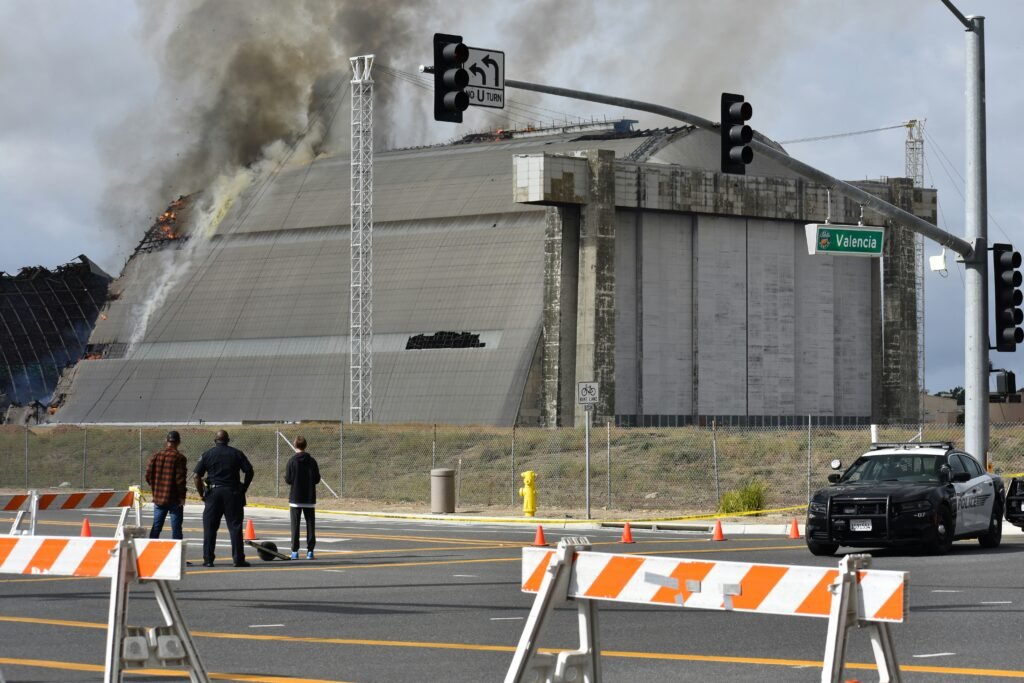
A house does not need to burn down to sustain serious wildfire damage. Smoke, ash, soot and other combustion byproducts can enter a standing home through doors, windows, vents and heating or cooling systems. Residue may settle on surfaces, furniture and personal belongings even when the structure appears intact.
California Smoke Damage Standards could eventually create a more consistent process for testing and restoring affected homes. Until those standards are finalized, homeowners may receive different recommendations from insurers, inspectors and restoration professionals.
Careful documentation can help establish what happened, preserve important evidence and create a clearer record for an insurance claim. However, no one should enter an evacuation zone or potentially unsafe building solely to collect photographs.
Why Standing Homes Can Still Be Damaged
Wildfire smoke is more than an unpleasant odor. What it carries depends on the materials that burned.
Smoke from vegetation differs from smoke produced when fire reaches homes, vehicles, batteries, treated wood, plastics and other manufactured materials. Ash and fine particles may contain substances that cannot be identified by appearance or smell alone.
Residue can enter areas that are easy to overlook, including attics, wall cavities, ventilation systems, closets and enclosed cabinets. It can also settle on upholstery, clothing, electronics, children’s belongings and other contents.
A home may therefore require more than ordinary surface cleaning. Determining what needs to be tested, cleaned, sealed, repaired or replaced can become a major point of disagreement during an insurance claim.
Why California Is Considering New Standards
California has not historically had uniform, enforceable statewide standards governing how wildfire smoke damage must be inspected, tested and remediated in residential properties.
The lack of a common standard has created uncertainty about which substances should be tested, where samples should be collected and what results indicate that a home is ready for occupancy. Homeowners may also encounter disagreements about whether odor removal or visible cleaning has restored the property adequately.
In 2026, the California Legislature approved two connected measures addressing these problems: AB 1642 and AB 1795.
AB 1642 addresses contamination standards and guidance. AB 1795, known as the Smoke Damage Recovery Act, addresses insurance claims, testing costs, inspections, restoration and related protections.
As of September 7, 2026, both measures have passed the Legislature but have not yet become law. Their provisions should therefore be understood as proposed requirements rather than protections homeowners can automatically claim today.
What the Proposed Standards Could Address
If enacted, the legislation would begin replacing inconsistent approaches with state-developed requirements and guidance.
The bills address subjects such as sampling, testing and chemical screening levels for smoke-damaged residential properties. Contaminants covered by the developing standards could include lead, asbestos and other substances associated with wildfire ash and smoke.
AB 1795 would also create insurance-related requirements for qualifying residential smoke-damage claims within defined wildfire impact zones. These include a presumption connecting qualifying contamination to the wildfire, responsibility for necessary testing costs and deadlines for certain inspections and payments.
The legislation would also address restoration to pre-loss condition, clearance for human occupancy, adjuster training and additional living expense coverage in qualifying cases.
Many technical standards would still need to be developed after enactment. Passing the bills would not instantly produce every testing level, sampling method or remediation procedure contemplated by the legislation.
Safety Comes Before Documentation
Do not return to a property until public authorities allow it. A standing home can contain structural, electrical, gas, fire, chemical and environmental hazards.
Wear appropriate protective equipment when authorities permit entry and conditions require it. Avoid disturbing ash unnecessarily. Sweeping, blowing or using an ordinary household vacuum may send fine material back into the air.
People with respiratory conditions, cardiovascular conditions or other health vulnerabilities should be especially cautious. Children, older adults and pets should not be brought into a potentially contaminated property merely to inspect it.
If you are uncertain whether entry is safe, seek direction from local authorities or an appropriately qualified professional before proceeding.
Photograph the Exterior Before Cleanup
When access is permitted, begin with wide photographs showing the property and its surroundings. These images can help place the home in context and establish how close it was to burned structures, heavy ash or fire debris.
Photograph exterior residue on windows, doors, walls, roofs, patios, outdoor furniture and ventilation openings. Include images showing damaged screens, broken windows or other possible entry points.
Take close-up photographs as well as wider views. A close image may show the residue clearly, while a wider image demonstrates where it was located.
Do not climb onto the roof or enter damaged areas to obtain better pictures. Documentation is not worth creating another safety risk.
Record Conditions Inside the Home
If entry has been authorized, photograph rooms before significant cleaning or movement of belongings. Capture both visibly affected and apparently unaffected areas.
Important conditions may include:
- Ash, soot or unusual dust on surfaces
- Discoloration around doors, windows and vents
- Residue inside cabinets, drawers and closets
- Stains or deposits on walls and ceilings
- Contamination on furniture and personal belongings
- Damage to filters, vents and HVAC components
- Items with persistent smoke odor
- Evidence of water used during firefighting
Photographs cannot identify the chemical composition of residue. Their purpose is to document where material was present and what the property looked like before cleanup.
Create a simple room-by-room record so that images can be understood later. A file named only with a random number may be difficult to connect to a particular bedroom, cabinet or item.
Create a Written Property Timeline
A written timeline can connect photographs, conversations and expenses.
Record when you first received an evacuation warning or order, when you left the property and when authorities permitted access. Note when you first observed smoke, ash, odor or other damage.
Include the dates on which you reported the loss, spoke with an adjuster, received an inspection or authorized work. If different representatives provide conflicting instructions, record who said what and when.
The California Department of Insurance recommends maintaining a dedicated claim diary and documenting conversations with the insurer or adjuster. If a representative says that something is excluded or limited, request the specific policy provision supporting that position.
Notify the Insurer Promptly
Contact the insurer as soon as reasonably possible after discovering potential damage. Provide factual information about what you observed without guessing about contaminants or repair costs.
Ask for a claim number and written instructions explaining the next steps. Confirm whether the insurer plans to inspect the property and whether it will arrange or authorize testing.
The California Department of Insurance has stated that insurers should properly investigate smoke-damage claims rather than rejecting them without an appropriate review. Its smoke-damage claims guidance also says that when professional testing is warranted for a claim, the department expects the insurer to arrange and pay for those services.
Coverage still depends on the policy language and circumstances of the individual loss. Do not assume every expense will be reimbursed without reviewing your coverage.
Preserve Communications and Claim Documents
Keep emails, letters, estimates, reports and text messages connected to the claim. After an important telephone conversation, send a brief written message confirming your understanding.
Request copies of inspection reports, laboratory results, scopes of work and estimates created for the insurer. Retain every version because recommendations may change during the claim.
Organize records by date and subject. Separate files for the building, personal property, temporary housing, testing and communications can make a complicated claim easier to follow.
Keep copies somewhere other than the affected home. Cloud storage or another secure location can protect the records if the property becomes inaccessible again.
Document Personal Property Carefully
Smoke and ash can affect belongings even when they are not visibly burned. Photograph items in their original locations before moving or discarding them when it is safe to do so.
Create an inventory containing the item description, room, approximate age, original cost if known and observed condition. Receipts, credit-card records, photographs taken before the wildfire and product manuals may help establish ownership and value.
Do not throw away potentially damaged property until the insurer has had a reasonable opportunity to inspect it or has provided written authorization. If an item presents an immediate health or safety risk, ask the insurer how to document and handle it.
Separate items proposed for cleaning from items proposed for replacement. Record who made each recommendation and the reason given.
Keep Testing and Sampling Records
If professional testing occurs, retain the complete report rather than only a verbal summary.
The report should make it possible to understand who collected the samples, where they were taken, what methods were used and which substances were analyzed. Preserve photographs or diagrams identifying sampling locations.
Also keep laboratory information, results, invoices and written explanations of the findings. If post-remediation clearance testing is performed, retain both the original and follow-up results.
A result from one location may not describe conditions throughout an entire house. Homeowners should avoid interpreting technical results without appropriate qualified guidance.
Document the Proposed Cleanup Scope
Before authorizing major work, request a written description of what will be done.
The scope should identify the rooms, surfaces, systems and belongings included in the work. It should also explain whether materials will be cleaned, removed, sealed, repaired or replaced.
Pay attention to areas that may not be visible during an ordinary walk-through, such as HVAC equipment, attics, insulation and enclosed cavities. Ask how the proposed work addresses the conditions identified during inspection or testing.
Record any disagreement between the insurer’s scope and another qualified assessment. Do not rely solely on verbal assurances that a general cleaning will solve every problem.
Retain Pre-Cleanup and Post-Cleanup Evidence
Take photographs before cleanup begins, while appropriate work is underway and after it is completed. This creates a record of what changed.
Keep cleaning logs, invoices, disposal records, testing reports and completion documents. Ask for written confirmation of the work performed rather than accepting a receipt containing only a total price.
If odor, residue or another concern returns, document when and where it reappears. Avoid altering the area before notifying the responsible parties unless immediate action is needed for safety.
A final visual inspection may be useful, but appearance and odor alone may not answer every question about contamination.
Track Temporary Living Expenses
If the home cannot be occupied, keep receipts for temporary housing and additional costs resulting from displacement.
Depending on the policy and circumstances, additional living expense coverage may help with temporary rent, additional mileage, food-cost differences and other necessary increases over normal household spending. Policy limits still apply.
Create a separate expense log showing the date, amount, purpose and receipt location. Retain proof of payments rather than relying only on bank statements.
The California Department of Insurance provides wildfire claim tips that address additional living expenses, claim records and communication with insurers.
Be Careful With Cleanup Solicitations
Wildfire survivors may receive calls, mail or door-to-door offers from testing, cleanup or claims businesses.
Do not sign immediately because someone says the offer is part of a government program. Verify licenses when applicable, read payment terms and determine whether the contract assigns insurance benefits or gives someone authority over the claim.
Ask the insurer how an outside contract could affect inspection or coverage. At the same time, remember that an insurer’s preferred provider is not automatically the homeowner’s only possible option. Review the policy, applicable rules and any proposed legislation carefully.
Avoid paying large amounts in cash. Retain signed agreements, estimates, invoices and proof of payment.
Prepare Before Wildfire Season
Documentation is easier when homeowners already have records showing the property’s pre-loss condition.
Photograph each room, major appliance and valuable item before an emergency. Save home-improvement receipts, maintenance records and renovation documents. Keep a copy of the insurance policy and contact information somewhere accessible outside the home.
Reviewing your HVAC system, roof, vents and other building components should also be part of routine maintenance. TCG’s California home maintenance guide covers seasonal tasks and wildfire preparation.
New residents can also review the California summer guide for practical information about wildfire smoke, extreme heat and household preparation.
What Homeowners Should Watch Next
The immediate development to watch is whether AB 1642 and AB 1795 become law. Homeowners should then follow the state agencies responsible for developing regulations and guidance.
The details will matter. Future standards may define which homes and claims qualify, which contaminants must be evaluated, how samples must be collected and what is required before a property is cleared for occupancy.
Because regulations may take several years to develop, homeowners affected before completion of that process should not assume that no protections exist. Current insurance laws, policy provisions and claims-handling requirements may still apply.
The developing standards could make future cases more consistent, but they will not replace the need for timely reporting and careful documentation.
Frequently Asked Questions
Can a standing house have significant wildfire smoke damage?
Yes. Smoke, ash and other combustion byproducts can enter a home without flames reaching the structure. Damage may affect surfaces, systems and personal belongings.
Are California Smoke Damage Standards currently in effect?
Not yet. As of September 7, 2026, AB 1642 and AB 1795 have passed the California Legislature but have not become law. Some technical standards would also require later development by state agencies if the bills are enacted.
Should homeowners clean before the insurance inspection?
Avoid major cleaning or disposal before notifying the insurer and documenting conditions, unless action is necessary to prevent additional damage or protect health and safety. Ask the insurer for written instructions.
Does a smoke odor prove that a home is contaminated?
An odor can indicate that smoke entered the property, but smell alone cannot identify specific contaminants or their concentrations. Conversely, the absence of a strong odor does not necessarily prove that no residue is present.
Who pays for smoke-damage testing?
The answer depends on the policy and circumstances. The California Department of Insurance has said insurers must properly investigate claims and that insurers should arrange and pay for professional testing when it is warranted. AB 1795 would create more specific requirements for qualifying claims if enacted.
What should a homeowner include in a claim diary?
Include dates, names, contact information, summaries of conversations, inspection appointments, requests, decisions and promised follow-ups. Save related emails and documents with the diary.
Should damaged belongings be discarded immediately?
Usually, they should first be photographed, inventoried and presented to the insurer. Obtain written instructions before disposal unless an item creates an immediate hazard.
Can homeowners safely test wildfire residue themselves?
Consumer test products may not provide the sampling methods, analysis or interpretation needed for a complicated property or insurance decision. Potentially hazardous residue should be handled with appropriate professional and public-health guidance.
Note: This article provides general housing and insurance information, not legal, medical, environmental-testing or claims-adjusting advice. Legislation, regulations, insurance policies and wildfire conditions can change. Confirm current requirements with the appropriate California agency and seek qualified guidance for your property and claim.