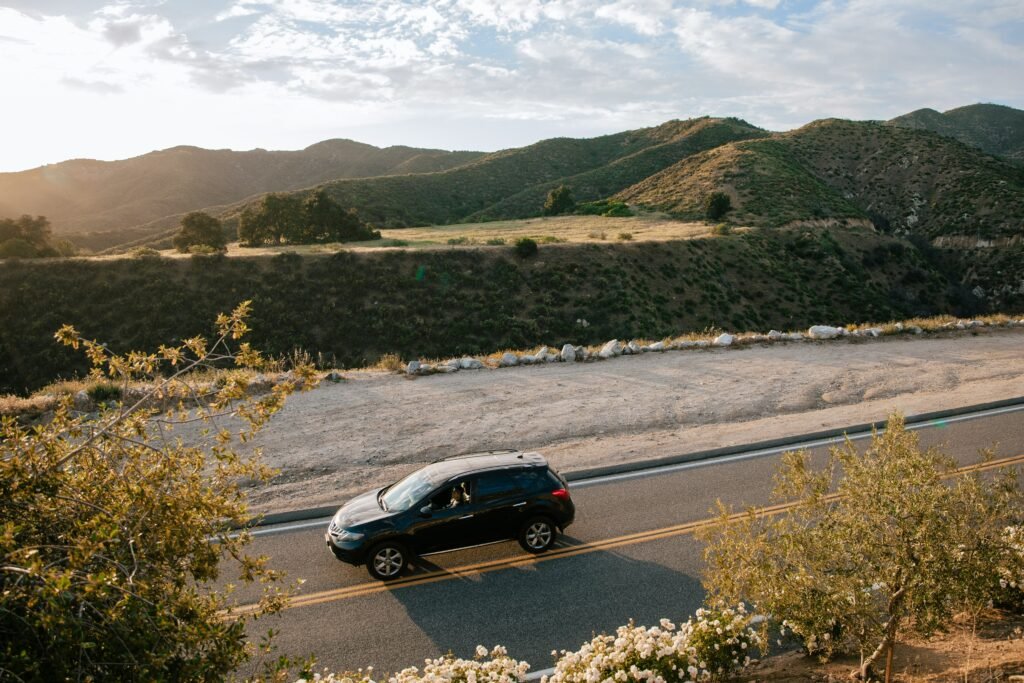
Everyday life in California is shaped by housing costs, commuting, climate, cultural diversity, and access to outdoor recreation. Some residents live in dense, transit-connected cities, while others live in car-dependent suburbs, agricultural communities, mountain towns, or desert areas.
The California lifestyle shown in movies—beaches, sunshine, palm trees, and entertainment—represents only part of the state. For most residents, daily life involves work, traffic, housing decisions, family responsibilities, errands, and budgeting, with California’s weather and geography providing distinctive opportunities during free time.
Your experience will depend much more on your city, neighborhood, income, and commute than on the state’s overall reputation.
California Lifestyle at a Glance
| Part of daily life | What residents may experience |
|---|---|
| Housing | High costs in many coastal and employment-centered communities |
| Transportation | Car dependence in many areas, with stronger transit in some cities |
| Work | Opportunities across technology, healthcare, entertainment, agriculture and other industries |
| Weather | Mild coastal conditions, inland heat, mountain snow and northern rain |
| Food | Extensive cultural variety and access to California-grown produce |
| Recreation | Beaches, parks, mountains, forests, lakes and deserts |
| Social life | Highly dependent on neighborhood, interests and commuting |
| Family life | Strong community options but potentially high housing and childcare expenses |
| Environment | Earthquake, wildfire, flood, drought, heat and smoke preparation |
| Pace | Fast in major employment centers and slower in smaller communities |
California is too large and varied to offer one universal lifestyle.
Daily Life Changes by Region
California contains multiple distinct regions rather than one consistent culture, climate, or cost of living.
| Region | Everyday lifestyle |
|---|---|
| Los Angeles area | Large, diverse and spread out, with extensive entertainment and dining |
| San Francisco Bay Area | Technology-oriented, expensive and transit-accessible in some communities |
| San Diego area | Coastal, outdoor-focused and generally mild, with major military and research activity |
| Orange County | Suburban and coastal, with planned communities and significant driving |
| Sacramento area | Government-centered, growing and positioned near Northern California recreation |
| Inland Empire | Expanding, car-dependent and connected to logistics and regional commuting |
| Central Valley | Agricultural and service-oriented, with more attainable housing and hot summers |
| Central Coast | Smaller communities, coastal scenery and limited housing supply |
| North Coast | Cooler, less densely populated and surrounded by forests and rugged coastline |
| Far Northern California | Smaller cities, rural areas and extensive outdoor access |
| Desert communities | Hot summers, warm winters and seasonal tourism |
| Mountain communities | Outdoor recreation, seasonal weather and additional maintenance demands |
California’s official tourism organization divides the state into 12 regions, reflecting how significantly geography and local conditions vary.
Housing Shapes Everyday Life
Housing is one of the strongest influences on the California lifestyle.
In expensive coastal cities, residents may:
- Live in smaller apartments
- Share housing
- Spend a large portion of income on rent
- Move farther from employment centers
- Delay buying a home
- Choose fewer bedrooms
- Accept longer commutes
In inland or smaller communities, households may obtain more space for the same housing budget. However, they may also experience hotter weather, greater vehicle dependence, and fewer nearby employment opportunities.
The California Department of Housing and Community Development generally considers a household spending more than 30% of gross income on housing and utilities to be cost-burdened.
Housing decisions often determine how much money remains for recreation, travel, childcare, dining, transportation, and savings.
Review California Living Costs: Monthly Budget Guide before deciding whether a particular lifestyle is financially realistic.
Commuting Can Define the Day
In many California metropolitan areas, the commute has a major effect on daily routines.
A home may be only 15 miles from work but require much longer travel during peak hours. Parents may also need to add childcare or school drop-off before beginning the workplace commute.
Daily transportation can involve:
- Driving
- Rail
- Bus
- Ferry
- Cycling
- Walking
- Ride-hailing
- A combination of several methods
A long commute affects more than fuel expenses. It can reduce time available for family, exercise, cooking, sleep, and social activity.
Residents who live close to work may pay higher housing costs but gain time and reduce transportation expenses. Others move farther away to obtain lower rent or a larger home.
The best balance depends on income, work schedule, household needs, and transportation options.
Do You Need a Car in California?
A car is necessary or highly practical in many California communities.
Los Angeles, Orange County, San Diego County, the Inland Empire, Sacramento suburbs, the Central Valley, desert areas, and rural communities contain many neighborhoods where driving is the easiest way to reach work, healthcare, groceries, and recreation.
Living without a car may be possible in parts of:
- San Francisco
- Oakland
- Berkeley
- Los Angeles
- San Diego
- Sacramento
- San Jose
- Other transit-connected communities
Even in those cities, the experience depends on the specific neighborhood and destination.
Vehicle ownership may involve:
- Car payment
- Insurance
- Fuel or charging
- Registration
- Maintenance
- Parking
- Tolls
- Repairs
The convenience of a lower-priced home can disappear when it creates an expensive and exhausting commute.
Work Culture Varies by Industry
California supports a broad range of industries, including:
- Technology
- Entertainment
- Healthcare
- Agriculture
- Tourism
- Government
- Education
- Logistics
- International trade
- Construction
- Biotechnology
- Aerospace
- Professional services
Work culture in Silicon Valley may differ considerably from government employment in Sacramento, entertainment production in Los Angeles, agriculture in the Central Valley, or hospitality in a resort community.
Some California workplaces may offer flexible schedules or remote work, while others depend entirely on in-person attendance.
The California Employment Development Department publishes labor market information about employment, wages, industries, and occupations across the state.
A household should choose a city based partly on where its work actually exists. A desirable lifestyle becomes difficult to maintain when suitable employment requires a long commute or does not pay enough for local housing.
Remote Work Can Expand Your Options
Remote workers may be able to live outside California’s largest employment centers. This can create more choices involving housing, climate, space, and community size.
However, remote workers should verify:
- Employer approval
- Reliable internet
- Mobile coverage
- Workspace
- Airport access
- Time-zone expectations
- California payroll and tax arrangements
- Access to professional networks
A remote position does not automatically mean the employee may move to California. Employers may need to address California payroll, benefits, insurance, and employment requirements.
The Weather Is Not the Same Everywhere
California is associated with sunshine, but residents experience dramatically different conditions.
Coastal California
Coastal communities often have milder temperatures. Some locations experience fog, wind, cool evenings, and marine moisture.
Inland California
Inland valleys and desert areas can have extremely hot summers. Air conditioning may be essential, and outdoor activity may shift to mornings or evenings.
Northern California
Far-northern and coastal areas generally receive more rain and experience cooler conditions. Forested and elevated regions may have colder winters.
Mountain California
Mountain communities can receive substantial snow and face winter driving, heating, roof, and access concerns.
Weather affects:
- Clothing
- Utility costs
- Transportation
- Outdoor recreation
- Air quality
- Home maintenance
- Insurance
- Emergency preparation
Someone moving from another state should research the exact city rather than assuming every part of California has mild beach weather.
Outdoor Recreation Is a Major Advantage
Access to nature is one of the strongest features of the California lifestyle.
Depending on the region, residents may have access to:
- Beaches
- Hiking
- Camping
- Surfing
- Skiing
- Snowboarding
- Lakes
- Rivers
- Forests
- Deserts
- Cycling
- Boating
- State and national parks
California State Parks maintains an official park finder covering state parks, beaches, recreation areas, historic parks, reserves, and other sites.
However, living in California does not mean every resident visits the beach or mountains every weekend. Work schedules, traffic, distance, parking, reservations, and costs can limit access.
Choose a location near the activities you genuinely expect to use.
Weekends Can Feel Very Different From Weekdays
A weekday in California may involve traffic, work, school, errands, and childcare. Weekends may provide access to beaches, parks, restaurants, cultural events, sports, and short regional trips.
Common weekend activities include:
- Hiking
- Visiting a beach
- Farmers markets
- Youth sports
- Dining
- Museums
- Community festivals
- Camping
- Day trips
- Shopping
- Outdoor exercise
- Visiting family
Popular destinations can become crowded, especially during holidays and favorable weather. Parking, entry reservations, and travel time may require advance planning.
Food Reflects California’s Diversity
California’s food culture is influenced by immigration, agriculture, climate, and regional history.
Residents may find Mexican, Chinese, Korean, Vietnamese, Filipino, Japanese, Persian, Indian, Armenian, Ethiopian, Salvadoran, Thai, Mediterranean, and many other cuisines.
The experience varies by location. Large metropolitan areas may offer extensive international dining, while smaller communities may have fewer choices but strong local or agricultural traditions.
California is also associated with:
- Farmers markets
- Fresh produce
- Seafood
- Wine
- Craft beverages
- Food trucks
- Health-focused dining
- Regional specialties
Dining out can be expensive, particularly after taxes, service charges, tips, parking, or delivery fees are included. Cooking at home can make the California budget more manageable.
Cultural Diversity Shapes Community Life
California contains communities with many languages, cultures, religions, and family traditions.
The U.S. Census Bureau’s American Community Survey provides local information about language, immigration, households, employment, commuting, housing, and other community characteristics.
Cultural diversity can influence:
- Food
- Festivals
- Schools
- Businesses
- Media
- Arts
- Community organizations
- Religious institutions
- Professional networks
The experience is local. One neighborhood may have a strong cultural identity that differs from another neighborhood only a few miles away.
Is the California Lifestyle Casual?
California is often described as casual, but that description is too broad.
Beach communities, technology workplaces, creative industries, government offices, agricultural businesses, and professional firms can have very different expectations.
Clothing may be more relaxed in some settings, but workplaces, events, restaurants, and cultural communities establish their own norms.
California’s climate may encourage outdoor and informal clothing, but residents still need:
- Professional attire
- Warm layers near the coast
- Rainwear in certain regions
- Heat-appropriate clothing inland
- Winter equipment in mountain areas
New residents should observe local and workplace expectations rather than relying on stereotypes.
Social Life Requires Deliberate Effort
California’s size and traffic can affect friendships and social routines. Two people may live in the same metropolitan region but be an hour or more apart during busy periods.
Making friends may require intentionally participating in:
- Recreation programs
- Professional organizations
- Sports
- Classes
- Volunteer work
- Community events
- Faith communities
- Parent groups
- Cultural organizations
- Neighborhood activities
Social life may be easier when you live near the places and people connected to your interests.
A lower-priced home far from your social network may make regular participation difficult.
Family Life in California
California can offer families access to schools, parks, libraries, healthcare, cultural activities, beaches, and outdoor recreation. However, housing and childcare can place significant pressure on the household budget.
A typical family routine may involve:
- School drop-off
- Childcare
- Commuting
- After-school activities
- Youth sports
- Meal planning
- Weekend recreation
- Driving between several locations
Families should choose a neighborhood based on everyday logistics rather than appearance alone.
Important considerations include:
- School assignment
- Childcare availability
- Commute
- Healthcare
- Housing size
- Parks
- Transportation
- Proximity to relatives
- Natural hazards
Use How to Choose the Right California Neighborhood for Your Family to compare locations.
Daily Life for Young Professionals
Young professionals may be drawn to Los Angeles, San Francisco, Oakland, San Jose, San Diego, Sacramento, Long Beach, and other employment centers.
Their daily lives may involve:
- Shared housing
- Hybrid work
- Professional networking
- Public transportation
- Fitness and recreation
- Dining and nightlife
- Long commutes
- High housing expenses
Living close to work and social activities can improve convenience but may require a smaller home or roommates.
The right city depends on the profession. Technology, entertainment, government, healthcare, biotechnology, logistics, agriculture, and tourism opportunities are concentrated in different regions.
Daily Life for Retirees
Retirees may prioritize climate, healthcare, transportation, housing, recreation, and proximity to family.
Communities in the Coachella Valley, San Diego County, Sacramento region, Central Coast, and other parts of the state offer different retirement lifestyles.
Retirees should consider:
- Housing costs
- Property maintenance
- Insurance
- Healthcare
- Extreme heat
- Wildfire exposure
- Transportation
- Taxes
- Social activities
- Distance from family
A warm climate may be appealing, but extreme summer temperatures can affect daily routines and utility expenses.
Natural Hazards Are Part of Planning
California residents may need to prepare for:
- Earthquakes
- Wildfires
- Flooding
- Extreme heat
- Drought
- Landslides
- Winter storms
- Coastal hazards
- Power interruptions
- Wildfire smoke
Not every location faces the same risks.
Prepared households may:
- Register for alerts
- Maintain emergency supplies
- Plan evacuation routes
- Secure furniture
- Review insurance
- Maintain defensible space
- Prepare for power outages
- Keep documents accessible
Hazard preparation becomes part of ordinary home and family planning rather than a reason to assume the entire state is unsafe.
Air Quality Can Affect Daily Routines
Air quality varies by region, season, weather, traffic, industry, and wildfire activity.
During poor-air-quality periods, residents may:
- Limit outdoor exercise
- Keep windows closed
- Use appropriate indoor filtration
- Adjust school or sports activities
- Monitor local alerts
- Prepare for smoke
Central Valley communities, areas near major transportation corridors, and regions affected by wildfire smoke may experience particular concerns.
People with asthma or other health conditions should research local conditions and obtain appropriate medical guidance.
Everyday Expenses Can Feel High
California’s wages may be higher in some industries and regions, but housing, transportation, childcare, and taxes can absorb a large share of income.
Residents may adjust by:
- Sharing housing
- Living farther inland
- Using public transportation
- Cooking at home
- Choosing free outdoor recreation
- Limiting vehicle ownership
- Working remotely
- Choosing smaller homes
- Delaying homeownership
A household earning a seemingly high salary may still feel financially constrained in an expensive coastal market.
Common California Lifestyle Misconceptions
Everyone lives near the beach
Many Californians live hours from the coast. The Central Valley, desert, mountain, and far-northern regions offer completely different environments.
The weather is always warm
Coastal communities can be cool and foggy. Mountain areas receive snow, and far Northern California can experience cold and rain.
Everyone works in technology or entertainment
California employment also includes healthcare, agriculture, government, education, construction, logistics, tourism, aerospace, manufacturing, and many other industries.
Public transportation is available everywhere
Transit works well for some routes and neighborhoods, but many communities remain strongly car-dependent.
A high salary guarantees a comfortable lifestyle
Housing, childcare, transportation, healthcare, and taxes can make even a strong income feel limited.
California life is always fast-paced
Los Angeles, San Francisco, and Silicon Valley can feel fast and competitive. Smaller cities, rural areas, mountain towns, and coastal communities may offer a slower pace.
Advantages and Challenges
| Potential advantages | Potential challenges |
|---|---|
| Extensive outdoor recreation | High housing costs |
| Diverse communities | Traffic and long commutes |
| Broad employment economy | Expensive childcare |
| Varied climates and geography | Car dependence |
| Cultural and dining options | Insurance concerns in some areas |
| Mild weather in many coastal communities | Natural-hazard preparation |
| Access to major universities and healthcare | Regional income inequality |
| Numerous city and community types | Competition for housing |
The importance of each factor depends on the individual household.
A Typical Day in Different California Communities
Large coastal city
A resident may commute by car or transit, work in a large employment center, complete errands near home, and have access to restaurants, cultural events, and urban recreation.
Suburban community
Daily life may revolve around driving, schools, childcare, shopping centers, parks, and commuting to a nearby city.
Central Valley city
A resident may have more housing space but experience hot summers, greater vehicle dependence, and an economy connected to healthcare, education, logistics, agriculture, or government.
Smaller coastal community
Daily life may offer mild weather and outdoor access but involve limited housing, a smaller employment market, and travel for specialized services.
Mountain or rural community
Residents may have exceptional natural access but need to plan for weather, road conditions, insurance, utilities, healthcare, and longer travel distances.
Frequently Asked Questions
Is California a good place to live?
California may be a good place to live if its employment, climate, communities, and recreational opportunities fit your goals and you can support the local cost of living. Review Is California a Good Place to Live? for a broader comparison.
Is everyday life in California expensive?
It can be, especially in the Bay Area and desirable coastal communities. Housing is usually the largest expense, followed by transportation, childcare, healthcare, and food.
Do Californians spend every weekend outdoors?
Some residents take advantage of beaches, parks, hiking, and other recreation regularly. Others may be limited by work, family responsibilities, distance, traffic, weather, or cost.
Is California life relaxed?
Some beach, suburban, and smaller communities may feel relaxed. Major employment centers and long commuting corridors can feel fast-paced and demanding.
Do you need a car?
A car is practical or necessary in many areas. Some residents live without one in transit-connected neighborhoods, particularly in San Francisco and parts of other large cities.
What is family life like in California?
Families may enjoy access to recreation, cultural activities, schools, and healthcare, but housing and childcare can be expensive. The experience depends strongly on the neighborhood.
Is Northern or Southern California better for daily life?
Northern California may suit people who prefer cooler weather, forests, technology, or government employment. Southern California may appeal to people seeking warmer weather, beaches, entertainment, and large metropolitan communities. Compare them through NorCal vs. SoCal.
What Is the California Lifestyle Really Like?
The California lifestyle is not one experience. It can mean urban transit in San Francisco, freeway commuting in Los Angeles, government work in Sacramento, beach recreation in San Diego, agricultural life in the Central Valley, desert living near Palm Springs, or mountain routines near the Sierra Nevada.
For many residents, the biggest advantages are climate, diversity, employment, food, and outdoor recreation. The biggest challenges are housing, traffic, childcare, transportation, and natural-hazard preparation.
The best version of everyday California life usually comes from choosing a community where housing, work, transportation, and personal interests fit together. The state offers extraordinary variety, but location and budget determine how much of that variety becomes part of your actual routine.
Note: This article provides general educational information. Housing, employment, transportation, climate, insurance, public services, and community conditions vary significantly by city and neighborhood and can change over time. Research current local information before making relocation or housing decisions.