
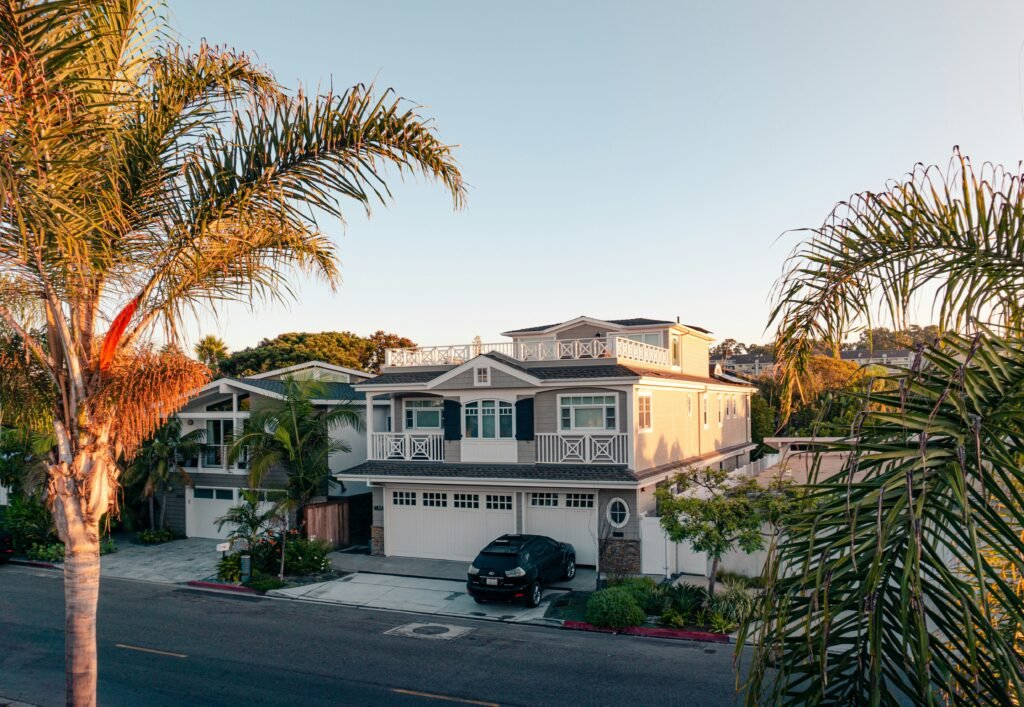
The right California neighborhood for your family should provide housing you can sustainably afford, a manageable commute, appropriate school and childcare options, access to healthcare, and an environment that supports your household’s daily needs.
Do not choose a neighborhood based only on an online ranking, school score, or weekend visit. Compare specific addresses using official information, visit at different times, test the commute, investigate natural hazards, and calculate the complete cost of living there.
California neighborhoods can differ significantly within the same city. Moving only a few blocks may affect school assignments, traffic, noise, parking, insurance, public transportation, and exposure to natural hazards.
California Neighborhoods at a Glance
| Family priority | What to investigate |
|---|---|
| Housing | Rent or mortgage, utilities, insurance, taxes and association costs |
| Schools | Address-based assignment, programs, enrollment and transportation |
| Childcare | Availability, cost, hours and waiting lists |
| Commute | Peak-hour travel, school drop-off and backup routes |
| Healthcare | Pediatricians, hospitals, pharmacies and specialists |
| Transportation | Driving, transit, walking, cycling and parking |
| Recreation | Parks, libraries, sports and community programs |
| Environment | Air quality, traffic, noise and nearby land uses |
| Hazards | Wildfire, flood, earthquake, heat and coastal exposure |
| Daily needs | Groceries, childcare, healthcare and essential services |
| Long-term fit | Space, affordability, employment and future family needs |
The strongest choice is not necessarily the neighborhood with the most amenities. It is the one that provides the best balance for your family without creating unsustainable housing or transportation costs.
Begin With Your Family’s Priorities
Before comparing neighborhoods, decide which factors are essential and which are preferences.
A family with young children may prioritize childcare and parks. A household with teenagers may care more about school programs, transportation, recreation, and part-time employment. A family caring for an older relative may place healthcare and accessibility first.
Create three lists:
Essential requirements
These are conditions the neighborhood must satisfy. Examples include:
- Maximum monthly housing cost
- Reasonable distance from work
- A suitable school program
- Accessible healthcare
- Reliable internet
- Enough bedrooms
- Public transportation
- Disability accessibility
- Pet-friendly housing
Strong preferences
These are important but may permit compromise:
- Walkable grocery stores
- Nearby parks
- Short school commute
- Community recreation
- Library access
- Private outdoor space
- Quiet evenings
Optional features
These would be helpful but should not outweigh affordability or essential needs:
- Swimming pool
- Luxury building amenities
- Trendy restaurants
- Scenic views
- Large entertainment areas
- Immediate beach access
This exercise makes it easier to compare California neighborhoods objectively.
Establish a Complete Housing Budget
The advertised rent or mortgage payment does not represent the complete cost of living in a neighborhood.
Renters should consider:
- Monthly rent
- Utilities
- Parking
- Renters insurance
- Pet-related charges
- Laundry
- Transportation
- Potential rent increases
Buyers should consider:
- Mortgage principal and interest
- Property taxes
- Homeowners insurance
- Maintenance
- Utilities
- Homeowners association charges
- Special assessments
- Separate hazard coverage
- Transportation
Housing affordability can change dramatically between neighborhoods. A lower-priced home farther from work could add significant fuel, maintenance, toll, parking, and childcare expenses.
Use this calculation:
Housing + utilities + insurance + transportation + childcare = essential location cost
Compare that total for every neighborhood.
If you are deciding between renting and purchasing, review Should You Rent or Buy a Home in California? before choosing a property.
Research School Assignments by Address
Do not assume that a home attends the nearest school or a particular school shown in a listing. School boundaries can divide streets and neighborhoods, and assignments may change.
Contact the school district directly and confirm:
- Assigned school
- Current attendance boundary
- Enrollment requirements
- Transfer policies
- Transportation
- Before-school and after-school programs
- Special education services
- Language programs
- Advanced courses
- Extracurricular activities
- Capacity or enrollment limitations
The California Department of Education provides school and district data covering enrollment, demographics, assessments, graduation, staffing, and accountability.
The California School Dashboard provides multiple measures of school and district performance. Review several indicators rather than reducing a school to one score.
Whenever possible:
- Visit the school
- Speak with administrators
- Ask how the school supports your child’s specific needs
- Review available programs
- Confirm transportation
- Understand enrollment deadlines
A school that works well for one child may not be the right environment for another.
Do Not Use School Scores Alone
Online school ratings can oversimplify a complex institution. A single number may not reflect teaching quality, student support, special programs, school culture, arts, athletics, or recent improvements.
Consider:
- Academic growth
- Graduation rates
- College and career preparation
- Student engagement
- Suspension information
- English learner progress
- Special education services
- Class offerings
- Parent communication
- Extracurricular opportunities
Families should also consider how long their children will remain at each school. A neighborhood may provide a suitable elementary school but create different choices for middle or high school.
School information is important, but it should not be used as a substitute for evaluating the entire neighborhood or the specific needs of your child.
Investigate Childcare Before Moving
Childcare availability can determine whether a neighborhood is practical.
A home may be affordable and close to work but unsuitable if nearby childcare has a long waiting list, limited hours, or costs that exceed the family’s budget.
Ask prospective providers about:
- Availability
- Waiting lists
- Monthly cost
- Deposits
- Operating hours
- Holiday schedules
- Age requirements
- Transportation
- Meals
- Licensing
- Staff qualifications
- Emergency procedures
Calculate the time required to travel from home to childcare and then to work. A facility that appears close on a map may add substantial time during morning traffic.
Parents may also want access to:
- After-school care
- Summer programs
- Recreation centers
- Libraries
- Youth sports
- Tutoring
- Community activities
Begin the childcare search before signing a lease or purchasing a home whenever possible.
Test the Real Commute
California traffic can turn a short distance into a difficult daily journey. Never estimate a commute using mileage alone.
Test the route during the actual hours you expect to travel. Include:
- School or childcare drop-off
- Workplace travel
- Parking
- Public transportation connections
- Walking time
- Traffic near schools
- Backup routes
- Construction
- Return journey
A family with two working adults should test both commutes. Also consider who will handle school pickup when a child becomes ill or childcare closes unexpectedly.
Calculate the monthly cost of:
- Fuel
- Vehicle maintenance
- Insurance
- Parking
- Tolls
- Transit passes
- Occasional ride-hailing
- Additional childcare caused by commuting time
Paying slightly more for housing may be worthwhile if it substantially reduces daily travel and transportation expenses.
Evaluate Transportation Options
Even if your family owns vehicles, alternative transportation can make a neighborhood more practical.
Investigate:
- Bus and rail routes
- Service frequency
- Evening and weekend service
- School transportation
- Sidewalks
- Crosswalks
- Bicycle routes
- Traffic speed
- Street lighting
- Parking
- Electric vehicle charging
- Accessibility for mobility devices
Walk the routes your family would use. A school, park, or transit stop may appear nearby but require crossing a major road or navigating an incomplete sidewalk.
Families with older children should consider whether teenagers can reach school, activities, employment, and friends without depending entirely on an adult driver.
Visit at Different Times
A single daytime visit does not show how a neighborhood functions throughout the week.
Visit:
- During morning commuting hours
- During school arrival or dismissal
- In the afternoon
- After dark
- On a weekday
- During the weekend
Pay attention to:
- Traffic
- Parking
- Noise
- Lighting
- Pedestrian activity
- Nearby businesses
- Construction
- Aircraft or rail noise
- Outdoor activity
- Street maintenance
- Access to services
If possible, speak with several residents about ordinary conditions. Ask factual questions about parking, traffic, utilities, noise, emergency alerts, and community services rather than expecting someone else to decide whether the neighborhood suits your family.
Research Public Safety Carefully
Public safety is important, but broad city reputations and social-media comments may be misleading or biased.
Start with official local information, which may include:
- Police or sheriff data
- Fire department response information
- Traffic collision reports
- Pedestrian safety plans
- Emergency service coverage
- Local government meeting records
Crime data has limitations. Reporting practices, population patterns, boundaries, and the concentration of commercial activity can affect the numbers. A downtown area with many visitors may report more incidents than a residential area even when the resident populations are very different.
When reviewing safety:
- Compare similar areas
- Look at several years when available
- Identify the types of incidents
- Review traffic and pedestrian risks
- Visit personally
- Ask about emergency response
- Avoid judging residents based on demographic characteristics
No data source can guarantee that a neighborhood is safe or unsafe.
Check Natural Hazards by Address
California families should investigate natural hazards before renting or buying.
Depending on the location, a property may face:
- Wildfire
- Earthquake
- Flooding
- Landslides
- Extreme heat
- Drought
- Winter storms
- Tsunami or other coastal hazards
The California Governor’s Office of Emergency Services provides a MyHazards tool that allows users to enter an address, city, or ZIP code and review general earthquake, fire, flood, and tsunami information.
Investigate:
- Evacuation routes
- Local alert systems
- Insurance availability
- Insurance premiums
- Power shutoff history
- Flooding and drainage
- Wildfire defensible-space needs
- Distance from emergency services
- Backup routes from the neighborhood
Hazard exposure can differ between nearby properties. Research the exact address rather than relying on a citywide description.
Review Insurance Before Committing
Insurance can make a seemingly affordable California property much more expensive.
Renters should obtain renters insurance estimates and ask about coverage for personal property, liability, and temporary living expenses.
Homebuyers should investigate homeowners insurance before becoming fully committed to the purchase. Ask about:
- Availability
- Annual premium
- Deductibles
- Replacement cost
- Fire coverage
- Water damage
- Temporary accommodation
- Building-code upgrades
- Earthquake coverage
- Flood coverage
- Exclusions
Standard policies do not necessarily cover every hazard. Separate coverage or endorsements may be necessary.
A property with an attractive price may not fit the family’s budget if insurance is unavailable, expensive, or provides limited protection.
Research Air Quality and Environmental Conditions
Traffic, industry, agriculture, wildfire smoke, heat, and geography can affect air quality in California neighborhoods.
Families may want to investigate:
- Proximity to freeways
- Industrial facilities
- Agricultural activity
- Rail corridors
- Ports or distribution centers
- Wildfire smoke patterns
- Local air-quality monitoring
- Extreme heat
- Drinking-water information
California’s Office of Environmental Health Hazard Assessment provides CalEnviroScreen, a mapping tool that combines environmental, health, and socioeconomic indicators for California census tracts.
CalEnviroScreen is a screening tool rather than a property inspection or prediction of individual health outcomes. Use it as one source among several.
Families managing asthma, allergies, or other health conditions may also want to discuss local environmental factors with an appropriate healthcare professional.
Consider Climate Within the Neighborhood
California’s climate varies not only between regions but sometimes within the same metropolitan area.
A coastal neighborhood may be cooler than an inland suburb. A hillside community may face different wind and wildfire conditions from a nearby urban area. A valley neighborhood may experience more summer heat or air-quality concerns.
Research:
- Summer temperatures
- Winter conditions
- Air-conditioning needs
- Heating
- Coastal fog
- Wildfire smoke
- Shade
- Tree coverage
- Flooding
- Power interruptions
Climate affects utility expenses, outdoor activity, transportation, health, and property maintenance.
Visit during the least comfortable season when possible. A neighborhood that feels ideal during spring may be much harder to manage during extreme summer heat or winter storms.
Look at Healthcare Access
Families should consider how quickly they can reach ordinary and emergency healthcare.
Investigate:
- Primary-care providers
- Pediatricians
- Urgent-care facilities
- Hospitals
- Pharmacies
- Dental care
- Mental healthcare
- Specialists
- Providers within your insurance network
Do not measure healthcare access by distance alone. Check whether providers accept your insurance and are accepting new patients.
Families managing chronic conditions or disabilities may need to prioritize proximity to specialized services over other neighborhood features.
Evaluate Parks and Community Resources
Parks can provide valuable outdoor space, but families should assess their actual condition and usefulness.
Visit nearby parks and consider:
- Playground condition
- Shade
- Restrooms
- Lighting
- Sports facilities
- Walking paths
- Accessibility
- Maintenance
- Programming
- Travel route from home
Other community resources may include:
- Libraries
- Recreation centers
- Pools
- Sports leagues
- Cultural organizations
- Community gardens
- Youth programs
- Adult education
- Senior programs
A smaller home near accessible public amenities may work better for a family than a larger home in a location where every activity requires driving.
Check Access to Everyday Services
A practical neighborhood should make routine tasks manageable.
Map the distance to:
- Grocery stores
- Pharmacies
- Schools
- Childcare
- Medical care
- Parks
- Libraries
- Public transportation
- Fuel or charging stations
- Banks
- Workplaces
Consider whether these services are accessible without a long drive. Also check their operating hours.
An area may have many restaurants and attractions while lacking convenient groceries, healthcare, or childcare.
Think About Noise
Noise can significantly affect sleep, remote work, outdoor use, and children’s routines.
Possible sources include:
- Freeways
- Airports
- Railways
- Schools
- Sports facilities
- Nightlife
- Construction
- Industrial activity
- Hospitals
- Emergency vehicle routes
Visit at different times and stand inside the actual property with windows open and closed.
Ask about:
- Building insulation
- Window quality
- Quiet hours
- Construction plans
- Shared walls
- Outdoor gathering spaces
- Trash collection schedules
Online photographs and daytime showings rarely reveal the full noise environment.
Consider the Home as Well as the Neighborhood
A suitable neighborhood cannot compensate for a property that does not meet the family’s needs.
Evaluate:
- Number and size of bedrooms
- Storage
- Heating and cooling
- Stairs
- Accessibility
- Laundry
- Parking
- Outdoor space
- Internet
- Electrical capacity
- Natural light
- Building security
- Maintenance condition
Families with young children may also need to consider stairs, windows, balconies, pools, traffic, and other safety issues at the property.
Do not assume that visible cosmetic improvements mean plumbing, electrical, roofing, heating, cooling, and drainage are in good condition.
Research Future Development
A neighborhood can change after you move.
Check local planning information for:
- New housing
- Road construction
- Transit projects
- Commercial development
- School changes
- Park improvements
- Rezoning
- Industrial projects
- Major infrastructure work
Future development may improve services and transportation, but it can also add construction, traffic, noise, or changes in parking.
Local planning departments, city council records, and public notices may provide useful information.
Rent Before Buying When You Are Unsure
Families moving from another state may benefit from renting before purchasing.
A temporary rental can help you learn:
- Real commuting conditions
- School routines
- Childcare availability
- Climate
- Utility costs
- Traffic
- Community services
- Which neighborhoods fit your family
Buying immediately may make sense when you already understand the area and have stable long-term plans. Otherwise, renting can reduce the risk of purchasing in the wrong location.
Review Moving to California: What You Should Know before planning your relocation.
California Neighborhood Scorecard
Score each neighborhood from one to five for the factors that matter to your household.
| Factor | Importance | Neighborhood A | Neighborhood B | Neighborhood C |
|---|---|---|---|---|
| Housing affordability | ||||
| Commute | ||||
| School suitability | ||||
| Childcare | ||||
| Healthcare | ||||
| Transportation | ||||
| Parks and recreation | ||||
| Environmental conditions | ||||
| Hazard exposure | ||||
| Insurance | ||||
| Daily services | ||||
| Long-term fit |
Give essential factors more weight than optional features. A neighborhood should not win simply because it has attractive amenities while failing on housing affordability or the commute.
Questions to Ask Before Choosing a Neighborhood
Ask:
- Can we sustainably afford the complete monthly cost?
- Which school serves this exact address?
- Does the school offer the programs our children need?
- Is appropriate childcare available?
- How long is the commute during actual travel hours?
- Can children reach activities safely?
- Are healthcare providers nearby and in network?
- What natural hazards affect the property?
- Can we obtain appropriate insurance?
- What is the environmental burden of the area?
- How noisy is the property?
- Are groceries and essential services convenient?
- Will the home still work if our family’s needs change?
- What development is planned nearby?
- Have we visited at several times?
If you cannot answer an important question, continue researching before signing a lease or purchase agreement.
Frequently Asked Questions
What makes a California neighborhood good for families?
A suitable family neighborhood provides sustainable housing, appropriate schools and childcare, reasonable transportation, healthcare, recreation, and access to daily services. The right combination differs by household.
How should families research California schools?
Confirm the assigned school directly with the district, review California Department of Education data, visit the school, and ask about programs relevant to the child. Do not rely solely on a real estate listing or one online rating.
How can you check California neighborhood hazards?
Enter the address into the California Governor’s Office of Emergency Services MyHazards tool. Also review local emergency plans, evacuation routes, insurance availability, and property-specific disclosures.
Should you rent before choosing a permanent neighborhood?
Renting first may be helpful for families unfamiliar with the city. It provides time to experience commuting, schools, climate, traffic, and ordinary expenses before purchasing.
How many times should you visit a neighborhood?
Visit at least several times, including a weekday morning, afternoon, evening, and weekend. A neighborhood may function differently depending on traffic, school schedules, nightlife, and parking demand.
Are online neighborhood rankings reliable?
Rankings can be useful starting points, but they often simplify complex factors and may use outdated or subjective criteria. Verify important information through official data and personal visits.
Should families prioritize a larger home or a shorter commute?
The answer depends on the household. A larger home may provide space, while a shorter commute can reduce transportation expenses and create more family time. Compare the complete effect on daily life rather than size alone.
Which California Neighborhood Is Right for Your Family?
The best California neighborhoods are not necessarily the most expensive, famous, or highly ranked. The right neighborhood is one your family can afford while maintaining access to suitable education, childcare, healthcare, transportation, and community resources.
Begin with essential requirements, compare complete costs, verify school assignments, test commutes, research environmental conditions, and investigate natural hazards by address.
If you have not selected a city, start with Best Places to Live in California for Different Lifestyles. Families planning to rent should also review current California rent costs before establishing their housing budget.
A thoughtful neighborhood decision should work on an ordinary weekday—not only during a brief property showing. Take time to verify the details that will shape your family’s life every day.
Note: This article provides general educational information. School assignments, housing costs, public-safety data, insurance, transportation, environmental conditions, and natural hazards vary by address and can change. Verify information through responsible agencies and qualified professionals before making housing or relocation decisions.