
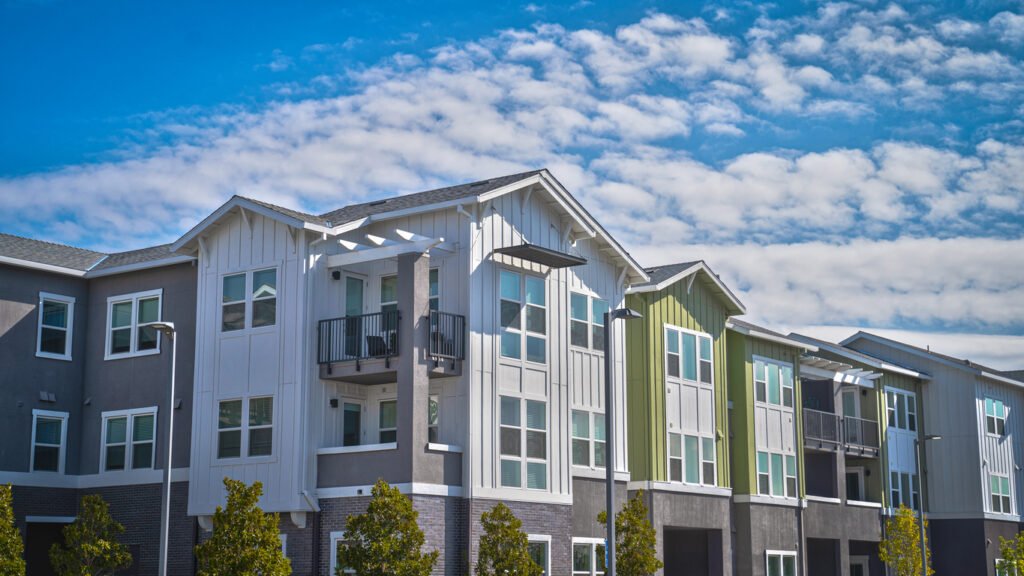
Renting an apartment in California may cost approximately $1,300 to more than $3,500 per month for a one-bedroom unit, depending on the city, neighborhood, property, and amenities. A two-bedroom apartment may range from approximately $1,600 to more than $4,000 per month.
The highest California rent costs are generally found in the San Francisco Bay Area and desirable coastal communities in Los Angeles, Orange County, and San Diego. Lower rents may be available in the Central Valley, Inland Empire, far Northern California, and smaller inland cities.
Rent is only part of the expense. Renters should also budget for a security deposit, utilities, parking, renters insurance, pet charges, transportation, laundry, and household setup.
California Rent Costs at a Glance
| Rental market | Approximate one-bedroom planning range | Approximate two-bedroom planning range |
|---|---|---|
| Highest-cost coastal and Bay Area markets | $2,500–$3,500+ | $3,200–$4,500+ |
| Major Southern California markets | $2,000–$3,200+ | $2,600–$4,000+ |
| Sacramento and surrounding communities | $1,600–$2,400+ | $2,000–$3,000+ |
| Inland Empire | $1,600–$2,500+ | $2,000–$3,200+ |
| Central Valley cities | $1,300–$2,100+ | $1,600–$2,600+ |
| Smaller Northern California communities | $1,200–$2,000+ | $1,500–$2,500+ |
These are broad budgeting ranges rather than current quotes. Actual rents can fall above or below them, and prices may change between neighborhoods within the same city.
What Is the Average Rent in California?
A single statewide average is not particularly useful because California contains very different rental markets.
An apartment in San Francisco, San Jose, Irvine, Santa Monica, or coastal San Diego may cost substantially more than a similar unit in Fresno, Bakersfield, Redding, or another inland community.
Rental costs are affected by:
- City and neighborhood
- Number of bedrooms
- Apartment size
- Building age
- Parking
- In-unit laundry
- Air conditioning
- Outdoor space
- Building amenities
- Pet policies
- Proximity to employment
- Public transportation
- Lease length
- Current supply and demand
The U.S. Department of Housing and Urban Development publishes annual Fair Market Rents for metropolitan areas and nonmetropolitan counties. These are estimates of gross rent for standard-quality housing and are primarily used for housing programs.
HUD Fair Market Rents are useful benchmarks, but they are not the same as the average asking price of every available apartment. Luxury buildings, furnished rentals, new developments, and desirable neighborhoods may cost considerably more.
How Much Is Rent in Los Angeles?
A renter in the Los Angeles area may need approximately $2,000 to $3,200 or more for a one-bedroom apartment. Two-bedroom units may range from approximately $2,600 to more than $4,000, depending on the neighborhood and property.
HUD’s fiscal year 2026 Fair Market Rent for the Los Angeles–Long Beach–Glendale area is $2,085 for a one-bedroom unit and $2,601 for a two-bedroom unit. These figures represent gross-rent benchmarks and should not be treated as guaranteed listing prices.
Los Angeles rent varies enormously. Coastal and highly desirable neighborhoods may cost much more than communities farther inland or away from major entertainment and employment centers.
When comparing Los Angeles apartments, calculate:
- Rent
- Parking
- Commute expenses
- Utilities
- Laundry
- Renters insurance
- Air conditioning
- Pet-related charges
A lower-priced apartment may not reduce your overall expenses if it creates a long and costly commute.
How Much Is Rent in San Francisco?
A one-bedroom apartment in San Francisco may cost approximately $2,700 to $4,000 or more per month, while a two-bedroom apartment may range from approximately $3,400 to $5,000 or more.
HUD’s fiscal year 2026 Fair Market Rent for a one-bedroom unit in the San Francisco area is approximately $2,977. Actual asking rents vary by neighborhood, condition, amenities, and competition.
San Francisco renters may pay more for a smaller apartment than they would in many other California cities. However, some residents can reduce or eliminate vehicle expenses because of the city’s density and transportation options.
Include these factors when comparing San Francisco apartments:
- Proximity to work
- Public transportation
- Building security
- Laundry
- Heating
- Parking
- Apartment size
- Rent-control status when applicable
- Street and neighborhood conditions
Visit the property and surrounding blocks at different times before signing a lease.
How Much Is Rent in San Jose?
San Jose and the wider Silicon Valley region are among California’s most expensive rental markets. A one-bedroom apartment may cost approximately $2,500 to $3,700 or more, while a two-bedroom unit may cost approximately $3,200 to $4,500 or more.
High regional salaries and demand near technology employers contribute to housing competition. Renting farther from employment centers may lower the monthly price, but it can increase commuting time and transportation costs.
Before choosing a lower-priced apartment outside San Jose, calculate the cost of:
- Fuel
- Vehicle maintenance
- Parking
- Tolls
- Public transportation
- Time spent commuting
A higher rent closer to work can sometimes produce a lower total monthly cost and a better daily routine.
How Much Is Rent in San Diego?
A one-bedroom apartment in the San Diego region may cost approximately $2,100 to $3,200 or more, while a two-bedroom unit may cost approximately $2,700 to $4,000 or more.
Coastal communities and neighborhoods near major employment, entertainment, or education centers often command higher rents. Inland communities may offer lower prices, but they can be hotter and require more driving.
San Diego renters should compare:
- Coastal versus inland climate
- Air-conditioning expenses
- Parking
- Transportation
- Distance from work
- Military or university-related housing demand
- Pet policies
- Access to public transportation
Living somewhere in San Diego County does not guarantee convenient beach access. Check actual travel times before paying a premium for the regional location.
How Much Is Rent in Sacramento?
A one-bedroom apartment in the Sacramento region may cost approximately $1,600 to $2,400 or more, while a two-bedroom unit may cost approximately $2,000 to $3,000 or more.
Sacramento may offer lower California rent costs than the Bay Area and several Southern California coastal markets. However, rent varies across the city and surrounding communities.
Renters should consider:
- Distance from government and healthcare employment centers
- Access to regional transportation
- Summer air-conditioning expenses
- Parking
- Neighborhood flood exposure
- Commutes from surrounding suburbs
- Wildfire smoke and air quality
Sacramento’s hot summers can make electricity costs an important part of the rental budget.
How Much Is Rent in the Inland Empire?
A one-bedroom apartment in Riverside, San Bernardino, Ontario, Rancho Cucamonga, or another Inland Empire community may cost approximately $1,600 to $2,500 or more. A two-bedroom apartment may cost approximately $2,000 to $3,200 or more.
Some renters choose the Inland Empire to obtain more space or reduce housing costs while remaining within reach of employment in Los Angeles or Orange County.
Before doing so, compare the rent savings with:
- Commute time
- Fuel
- Vehicle maintenance
- Insurance
- Tolls
- Parking
- Lost personal time
A long daily commute can eliminate much of the financial advantage of a lower rent.
How Much Is Rent in Fresno?
A one-bedroom apartment in Fresno may cost approximately $1,300 to $2,000 or more, while a two-bedroom unit may cost approximately $1,600 to $2,500 or more.
Fresno generally offers more attainable rents than California’s largest coastal markets. It may appeal to people working in healthcare, education, agriculture, government, logistics, or regional services.
Renters should still investigate:
- Summer cooling costs
- Air quality
- Transportation
- Local wages
- Neighborhood conditions
- Distance from employment
- Parking
- Access to healthcare and services
Lower rent should always be compared with local income and total living expenses.
How Much Does Apartment Size Affect Rent?
The number of bedrooms is one of the biggest factors affecting California rent costs.
| Apartment type | General cost pattern |
|---|---|
| Studio | Usually the lowest-priced private unit |
| One bedroom | Suitable for one person or a couple but more expensive than a studio |
| Two bedrooms | Often sought by families, roommates and remote workers |
| Three bedrooms | Less common in apartment buildings and significantly more expensive |
| Shared housing | May reduce individual rent but requires compatible roommates |
A two-bedroom apartment shared by two people may cost less per person than renting separate studios. However, roommates create additional legal and practical considerations.
Everyone responsible for rent should understand:
- Who is named on the lease
- How rent is divided
- How utilities are paid
- What happens if someone moves out
- How deposits are handled
- Whether replacement roommates require approval
Do not rely only on a private agreement between roommates when the lease makes every tenant responsible for the entire rent.
How Much Income Do You Need to Rent?
A common budgeting guideline is to keep housing costs at or below approximately 30% of gross monthly income.
The California Department of Housing and Community Development describes a household spending more than 30% of gross income on housing and utilities as generally being cost-burdened. Spending 50% or more is considered severe cost burden.
Using the 30% guideline:
| Monthly rent | Approximate gross annual income |
|---|---|
| $1,500 | $60,000 |
| $2,000 | $80,000 |
| $2,500 | $100,000 |
| $3,000 | $120,000 |
| $3,500 | $140,000 |
| $4,000 | $160,000 |
The calculation is:
Monthly rent ÷ 0.30 × 12 = approximate annual income
For example:
$2,500 ÷ 0.30 × 12 = $100,000
This is a budgeting guideline—not a guarantee that an applicant will qualify. Property owners may use their own lawful screening requirements, and your comfortable spending level may be lower if you have debt, childcare, medical expenses, or other obligations.
What Are the Upfront Costs of Renting?
A California renter may need several thousand dollars before receiving the keys.
Possible move-in costs include:
- First month’s rent
- Security deposit
- Application or screening expenses
- Pet deposit when applicable
- Moving expenses
- Utility deposits
- Renters insurance
- Furniture
- Household supplies
- Parking
- Temporary accommodation
A person renting a $2,500 apartment could need $5,000 or more for rent and the deposit alone, depending on the lease and circumstances.
California generally limits security deposits for many residential tenancies to an amount equal to one month’s rent, although certain qualifying smaller property owners may be permitted to collect more under specific conditions. Review the current language of California Civil Code Section 1950.5 for the applicable rules.
Do not assume every payment described as a “fee” is automatically allowed or refundable. Read the lease and request a written explanation of all required charges.
How Much Do Utilities Add?
Utility expenses depend on the unit, location, climate, building efficiency, and what the rent includes.
A renter may need to pay for:
- Electricity
- Natural gas
- Water
- Sewer
- Trash
- Internet
- Air conditioning
- Heating
A rough planning range for basic utilities may be $100 to $300 or more per month, excluding internet. Larger apartments, older buildings, extreme heat, electric heating, or inefficient equipment can increase the amount.
Internet may add approximately $50 to $100 or more per month, depending on the provider, plan, equipment, and location.
Before signing, ask:
- Which utilities are included?
- Is usage individually metered?
- How are shared utilities calculated?
- What heating and cooling systems are installed?
- Can previous usage information be reviewed?
- Are there additional utility-management charges?
An apartment with slightly higher rent but included utilities may cost less overall than a cheaper unit with high energy expenses.
How Much Does Parking Cost?
Parking may be included, separately charged, limited, or unavailable.
Depending on the neighborhood and building, parking could add nothing or several hundred dollars per month.
Ask whether the property offers:
- Assigned parking
- Covered parking
- Garage access
- Electric vehicle charging
- Guest parking
- Street permits
- Bicycle storage
- Security measures
In dense parts of Los Angeles, San Francisco, San Diego, Oakland, or San Jose, an apartment without dependable parking may create substantial inconvenience and expense.
Do You Need Renters Insurance?
A landlord’s property insurance generally does not protect the tenant’s personal belongings.
Renters insurance may help cover personal property, liability, and temporary living expenses, subject to the policy’s terms, exclusions, limits, and deductibles.
A basic policy might cost approximately $15 to $30 or more per month, although the price depends on location, coverage, claims history, belongings, and insurer.
Ask whether the policy covers:
- Theft
- Fire
- Water damage
- Personal liability
- Temporary accommodation
- Replacement cost
- Valuables
- Pet-related liability
Earthquake and flood losses may require separate coverage or endorsements. Verify the policy rather than assuming every hazard is included.
How Much Do Pets Add?
Pet expenses vary considerably among California rentals.
A tenant may encounter:
- Pet deposit
- Monthly pet rent
- Breed or size restrictions
- Limits on the number of animals
- Cleaning requirements
- Liability-insurance requirements
Monthly pet rent may range from approximately $25 to $100 or more per pet, depending on the property.
Assistance animals are governed by different legal rules from ordinary pets. Housing providers and applicants should follow applicable fair-housing requirements rather than assuming standard pet policies apply.
Are Furnished Apartments More Expensive?
Furnished apartments generally charge more than comparable unfurnished units, especially when offered with short lease terms.
They may still make sense for:
- Temporary workers
- Students
- People testing a new city
- Residents waiting for belongings
- Households planning another move
- People who would otherwise need to buy furniture immediately
Compare the rent premium with the cost of furniture, delivery, moving, storage, and resale.
Clarify what “furnished” includes. A listing may provide large furniture but exclude bedding, kitchen equipment, internet, utilities, or parking.
Does Living With Roommates Save Money?
Sharing a larger apartment can substantially reduce individual housing costs.
For example, a $3,200 two-bedroom apartment divided equally would cost $1,600 per person before utilities. That could be less than renting separate one-bedroom units.
However, roommates should agree in writing on:
- Rent division
- Utility payments
- Deposits
- Shared purchases
- Cleaning
- Guests
- Parking
- Pets
- Early move-outs
- Replacement roommates
The lease controls the tenant-landlord relationship. A private roommate agreement does not change the lease unless the housing provider approves the change.
How Can You Find More Affordable Rent?
Renters may reduce California rent costs by:
- Comparing several neighborhoods
- Considering a studio
- Renting with roommates
- Looking outside the most competitive coastal areas
- Choosing an older building with fewer amenities
- Living near work to reduce transportation costs
- Comparing included utilities
- Avoiding unnecessary parking charges
- Reviewing the complete monthly cost
- Starting the search before the move becomes urgent
Do not focus exclusively on rent. A lower-priced apartment may have expensive utilities, limited parking, a long commute, or other conditions that reduce its value.
How to Compare California Apartments
Use the same calculation for every property:
Rent + utilities + parking + insurance + pet expenses + transportation = estimated monthly housing cost
Example:
| Expense | Apartment A | Apartment B |
|---|---|---|
| Rent | $2,300 | $2,600 |
| Utilities | $220 | $100 |
| Parking | $150 | Included |
| Transportation | $400 | $150 |
| Renters insurance | $20 | $20 |
| Total | $3,090 | $2,870 |
Apartment B has higher rent but a lower estimated total cost because it includes parking and is closer to work.
What Should You Check Before Signing a Lease?
Before committing to an apartment:
- View the actual unit
- Verify the person offering it
- Read the complete lease
- Confirm all required payments
- Document the condition
- Test plumbing and appliances
- Check heating and cooling
- Investigate parking
- Ask about utilities
- Review pet rules
- Test the commute
- Visit the area at different times
- Research natural hazards
- Obtain renters insurance information
Be cautious if someone demands immediate payment, refuses to show the unit, will not provide a written lease, or asks you to send money through a difficult-to-reverse method.
Frequently Asked Questions
How much is a one-bedroom apartment in California?
A one-bedroom apartment may cost approximately $1,300 to more than $3,500 per month. Central Valley and smaller inland communities are generally less expensive than the Bay Area and desirable coastal markets.
How much is a two-bedroom apartment in California?
A two-bedroom apartment may cost approximately $1,600 to more than $4,000 per month. Luxury buildings and highly desirable neighborhoods may exceed this range.
What is the cheapest major California city for renters?
Fresno and Bakersfield generally offer lower rents than San Francisco, San Jose, Los Angeles, Irvine, and San Diego. Renters should also compare local wages, transportation, climate, and employment.
How much should you save before renting?
Try to save enough for the first month’s rent, security deposit, moving expenses, utility setup, household supplies, and emergency savings. A renter may need two to three times the monthly rent or more to move comfortably.
Is rent cheaper in Northern or Southern California?
Neither region is universally cheaper. The Bay Area contains some of California’s highest rents, while far Northern California may be less expensive. Southern California includes costly coastal communities and comparatively lower-cost inland markets.
Are utilities included in California rent?
It depends on the property and lease. Some rentals include water or trash, while tenants pay separately for electricity, gas, internet, and other services.
Is renting better than buying in California?
Renting may be better for people who need flexibility, have limited upfront savings, or are unfamiliar with the area. Buying may suit people with stable finances and long-term plans. Review Should You Rent or Buy a Home in California? for a complete comparison.
How Much Should You Budget for California Rent?
A practical starting budget is approximately $1,300 to $3,500 or more for a one-bedroom apartment and $1,600 to $4,000 or more for a two-bedroom apartment.
Your complete monthly cost could be several hundred dollars higher after utilities, parking, insurance, pets, laundry, and transportation are included.
Before choosing a location, compare the best California cities for different lifestyles and calculate your expected income, commute, and full housing expenses.
California rent costs vary too widely for one statewide number to describe every renter’s experience. Research current listings in the exact neighborhood, verify every required payment, and select a home that leaves enough room for savings and other essential expenses.
Note: The rental amounts in this article are broad planning estimates rather than guaranteed current prices. Rent, deposits, utilities, fees, insurance, and legal requirements vary by property, location, household, and time. Review current listings, read the lease, verify applicable laws, and seek qualified guidance when necessary.